
|
|
|
|
|
|
Navigation
LakesnWoods.com
Nearby Communities: © 2004-2025 DCMA, Defamation, Copyright and Trademark Infingement Policy
1960s Minnesota Map Hooded Sweatshirt
Minnesota Sheep Baseball Jersey
Minnesota State Bird Women's Light T-Shirt
|
|
||||||||||||||||||||||||||||||||||||||||||||||||||||||||||||||||||||||||||||||||||||||||||||||||||||||||||||||||||||||||||||||||||||||||||||||||||||||||||||||||||||||||||||||||||||||||||||||||||||||||||||||||||||||||||||||||||||||||||||||||||||||||||||||||||||||||||||||||||||||||||||||||||||||||||||||||||||||||||||||||||||||||||||||||||||||||||||||||||||||||||||||||||||||||||||||||||||||||||||||||||||||||||||||||||||||||||||||||||||||||||||
|
|
 |
| Proctor (city) | 1970 | 1980 | 1990 | 2000 | 2010 | 2000-2010 Change | |
|---|---|---|---|---|---|---|---|
| Actual | Percent | ||||||
| Population | 3,123 | 3,180 | 2,974 | 2,852 | 3,057 | +205 | +7.19 |
| Land Area (sq. mile) | 9.70 | 3.02 | 3.03 | 3.03 | 3.03 | 0 | 0.00 |
| Density (persons per sq. mile) | 322.0 | 1,053.0 | 981.5 | 942.8 | 1,008.9 | +66.11 | +7.19 |
| Housing Units | 979 | 1,237 | 1,245 | 1,246 | 1,361 | +115 | +9.23 |
| Households | -- | 1,170 | 1,196 | 1,196 | 1,268 | +72 | +5.68 |
| Persons Per Household | -- | 2.72 | 2.49 | 2.38 | 2.41 | +0.03 | +1.26 |
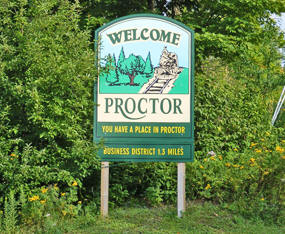
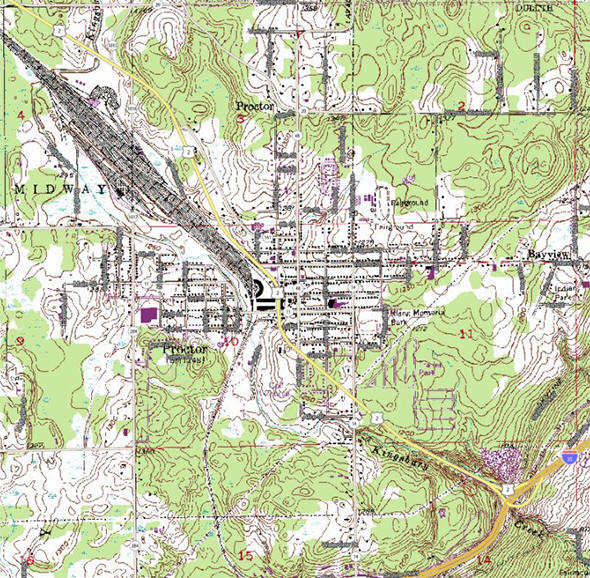
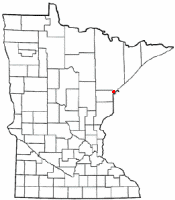
Proctor is a city in St. Louis County, Minnesota, located beside the Bayview Heights neighborhood of Duluth, with which it forms something of a contiguous community unit due to Bayview Heights' topographical separation (the hill) from adjacent West Duluth. It is bounded by school rival Hermantown to the north, Midway Township to the west, Duluth's Bayview Heights neighborhood to the east, and a mostly undeveloped area of Duluth (officially in the Riverside neighborhood) to the south.
U.S. Highway 2 and County 14 (Boundary Avenue) are two of the main routes in the city. Interstate Highway 35 is in close proximity to the city. According to the United States Census Bureau, the city has a total area of 3.00 square miles (7.77 km2), all of it land. The elevation is 1,250 ft (381 m) above sea level.
From Wikipedia, the free encyclopedia.
As of the census of 2010, there were 3,057 people, 1,268 households, and 795 families residing in the city. The population density was 1,019.0 inhabitants per square mile (393.4/km2). There were 1,361 housing units at an average density of 453.7 per square mile (175.2/km2). The racial makeup of the city was 96.8% White, 0.2% African American, 1.1% Native American, 0.4% Asian, 0.2% from other races, and 1.3% from two or more races. Hispanic or Latino of any race were 1.2% of the population.
There were 1,268 households of which 27.4% had children under the age of 18 living with them, 48.8% were married couples living together, 9.6% had a female householder with no husband present, 4.3% had a male householder with no wife present, and 37.3% were non-families. 30.4% of all households were made up of individuals and 13% had someone living alone who was 65 years of age or older. The average household size was 2.34 and the average family size was 2.90.
The median age in the city was 41.4 years. 20.7% of residents were under the age of 18; 8.2% were between the ages of 18 and 24; 25.5% were from 25 to 44; 29.7% were from 45 to 64; and 16.1% were 65 years of age or older. The gender makeup of the city was 49.3% male and 50.7% female.
From Wikipedia, the free encyclopedia.
Visit The
Minnesota History Shop! |
Proctor (1,236 alt., 2,468 pop.), a village whose history parallels that of the Duluth, Missabe and Iron Range Railroad, is the greatest iron ore transportation center in the world.
In 1892, the Merritts built the Duluth, Missabe and Northern Railroad from Mountain Iron to Stony Brook, a distance of 45 miles, to transport ore from the Mountain Iron Mine to the Duluth and Winnipeg Railroad, which had agreed to carry the output from Stony Brook to the lake. A year later, because the Duluth and Winnipeg failed to supply sufficient cars, and, moreover, was shipping the ore to docks in Superior, the Duluth, Missabe and Northern was extended into Duluth.
The site of the present Proctor, then regarded as part of Oneota (see Duluth), was selected for the shops and classification yards. In 1894, the village was incorporated.
Now officially rechristened as Proctor, it was originally named Proctor-knott for the Honorable J. Proctor Knott, former Governor of Kentucky and United States Congressman, who in 1871 delivered a satirical Congressional speech ridiculing Duluth. It was on January 27, 1871, that one up in Congress tried to secure the extension of a land grant for "the construction of a railroad from the St. Croix River or lake to the west end Lake Superior and to Bayfield," while the other group was anxious to secure the passage of a bill designed "to appropriate $500,000 to improve the harbor at Duluth." The latter group was influenced by the Lake Superior and Mississippi Railroad, which had just been completed in July, 1870. Mr. Knott evidently supposed that the proposed appropriation for the Duluth harbor was a part of the scheme of those interested in getting a land grant for the railroad. As a matter of fact it had no relation to the railroad land grant. The Duluth people as well as the Lake Superior and Mississippi Railroad were very much opposed to the land grant, mainly on account of the intense rivalry between Duluth and Superior in those days. The St. Croix and Bayfield Railroad was to have its terminus at Superior, and there is little doubt that the building of that railroad would have promoted the growth of Duluth's rival.
Mr. Knott, who had no connection with either of the opposing groups, tried in his speech, as a matter of principle, to fight the extension of the land grant. His words were so packed with sarcastic humor that the House repeatedly rocked in laughter. The land grant bill was killed, but his humorous speech caught the public fancy. Attention was focused on Duluth, which he had termed "the center of the universe," and within 20 years many of the predictions that Proctor Knott had made in mocking jest became a reality. Railroading is Proctor's only industry. The shops and ore classification yards of the Duluth, Missabe and Iron Range Railroad cover approximately 240 acres and ordinarily employ about 1,000 men. These classification yards, the largest in the world, with 57 miles of track and a capacity of 6,479 hopper-bottomed cars, make up trainloads of ore according to quality specifications, to be hauled by mallet engines down the heavy six-mile grade to the Duluth ore docks (see Duluth Tour 8). The roundhouse has 30 stalls, with equipment for repairs, and is a modern engine terminal. When cold weather sets in, the ore-steaming plant thaws ore that has been frozen, thus facilitating loading and lengthening the shipping season.
Proctor's public school system consists of three schools: Proctor High; Proctor East Side Grade (cor. Central Ave. and E. 2nd St.); and Summit Grade and Junior High (cor. 8th Ave. and W. 2nd St.). There is one parochial school, St. Rose of Lima (116 E. 3rd St.), conducted by the Sisters of St. Benedict.
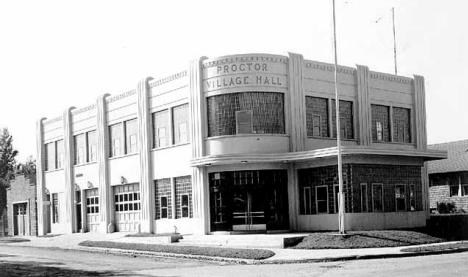
The $102,000 two-story brick Village Hall was completed in 1940, replacing the frame structure that had been in use for 30 years.
From the WPA Guide to the Minnesota Arrowhead
Company
©1941 by the Minnesota Arrowhead Association
Courtesy Minnesota Historical Society
|
|
|
|
|
Proctor City Hall 100 Pionk Drive Proctor, MN 55810 Phone: (218) 624-3641 Fax: (218) 624-9459 Regular Business Hours: Monday - Friday 8:00 am - 4:30 pm City Council Meetings: 1st and 3rd Monday of the month at 6:00 pm 


 |
 |
|||
| Title | Term Ends | Name and Address | Phone | |
| Mayor | 12/31/2022 | Chad Ward 44 5th Street Proctor, MN 55810 |
|
(218) 721-2742 |
| City Administrator | appointed | Jessica Rich 100 Pionk Drive Proctor, MN 55810 |
|
(218) 624-3641 |
| Councilperson | 12/31/2022 | Rory Johnson
801 Almac Drive Proctor, MN 55810 |
|
(218) 624-0353 |
| Councilperson | 12/31/2022 |
Jake P. Benson 231 13th Street Proctor, MN 55810 |
|
(218) 624-3344 |
| Councilperson | 12/31/2024 | James Rohweder
9001 Johnson Road Proctor, MN 55810 |
|
(218) 606-0440 |
| Councilperson | 12/31/2024 | Troy R. DeWall 2317 Venice Street Proctor, MN 55810 |
|
(218) 390-9546 |
|
US
Post Office 217 2nd Street Proctor, MN 55810-1650 Phone: (218) 624-2530 Toll Free: (800) ASK-USPS Regular Business Hours:
|
 |
| Utility Type | Utility Name | Utility Phone |
| Electricity | Proctor Public Utilities | (218) 624-4055 |
| Natural Gas | Minnesota Energy Resources Corp | (800) 889-9508 |
| Wastewater | Proctor Public Works | (218) 624-3641 |
| Water | Proctor Public Works | (218) 624-3641 |
| Telephone | CenturyLink Communications | (800) 244-1111 |
| Cable TV | Mediacom | (800) 332-0245 |
| Employer | Products/Services | Employees | Proctor ISD #704 | Elementary & Secondary Schools | 300 | Blackwoods Bar and Grill | Full-Service Restaurants | 88 | McDonald's | Full-Service Restaurants | 42 | Best Western Plus Spirit Mountain | Traveler Accommodation | 25 | Lamar Advertising | Advertising & Related Services | 25 | AmericInn Motel | Traveler Accommodation | 23 | Spirit Mountain Inn | Traveler Accommodation | 20 | Proctor Federal Credit Union | Depository Credit Intermediation | 19 | First National Bank | Depository Credit Intermediation | 17 | Essentia Health-Proctor Clinic | Offices of Physicians | 11 |
|
|
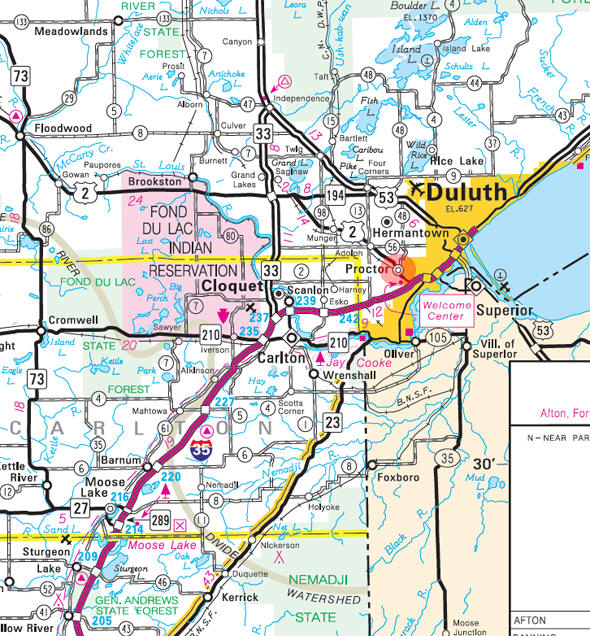
Minnesota State
Highway Map of the Proctor Minnesota area
Check Out
The Minnesota
History Shop! Good Goods and
Great Gifts! |
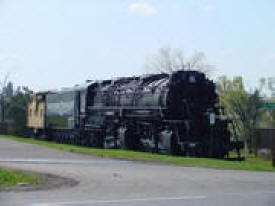
| Mallet 225 Steam
Engine The Mallet 225 Steam Engine
was built by Baldwin Locomotive Works in Philadelphia, PA and
was put into service in 1941. It is the largest Mallet ever
built in size and horsepower. It was one of only five built,
designed specially for the Duluth Missabe & Iron Range
Railroad. The Mallet 225 was donated to Proctor on March 25, 1963.
Mallet 225 is proudly displayed in Proctor right off U.S.
Highway 2. |
 |
| Proctor City Historical Society 100 Pionk Drive Proctor, MN 55810 Phone: (218) 628-6288 |
|
|
Proctor Speedway 800 N Boundary Avenue Proctor, MN 55810 Phone: (218) 624-0606 Web: www.proctorspeedway2.com 3/8 Mile semi-banked clay Dirt Race Track located on the South St. Louis County Fairgrounds. Regular racing is Every Sunday Night from May 18th though August 24th. The racing season is capped off with the Silver 1000 and Procotoberfest. The Proctor Speedway also hosts four Enduro races during the season. |
 |
|
Proctor Golf & Club House 25 Al Shoberg Drive Proctor, MN 55810 Phone: (218) 624-2255 The Proctor Golf Course is a par 33, nine hole course that will entertain the youngest golfer and challenge the experienced one. Bring your family, friends, and business associates for a day of great outdoor fun. |
 |
|
Spirit Mountain 9500 Spirit Mountain Place Proctor, MN 55810 Phone: (218) 624-2891 Toll Free: (800) 642-6377 Web: www.spiritmt.com Premiere ski area in Duluth, MN offering skiing and snowboarding, as well as hiking, biking, and camping. New restaurant on-site and quick access to great Duluth lodging. |
 |
| Lake Name | Size (acres) |
Lake info | Lake Map | Rec Map | Topo Map |
|---|---|---|---|---|---|
|
none in the immediate area |
|||||
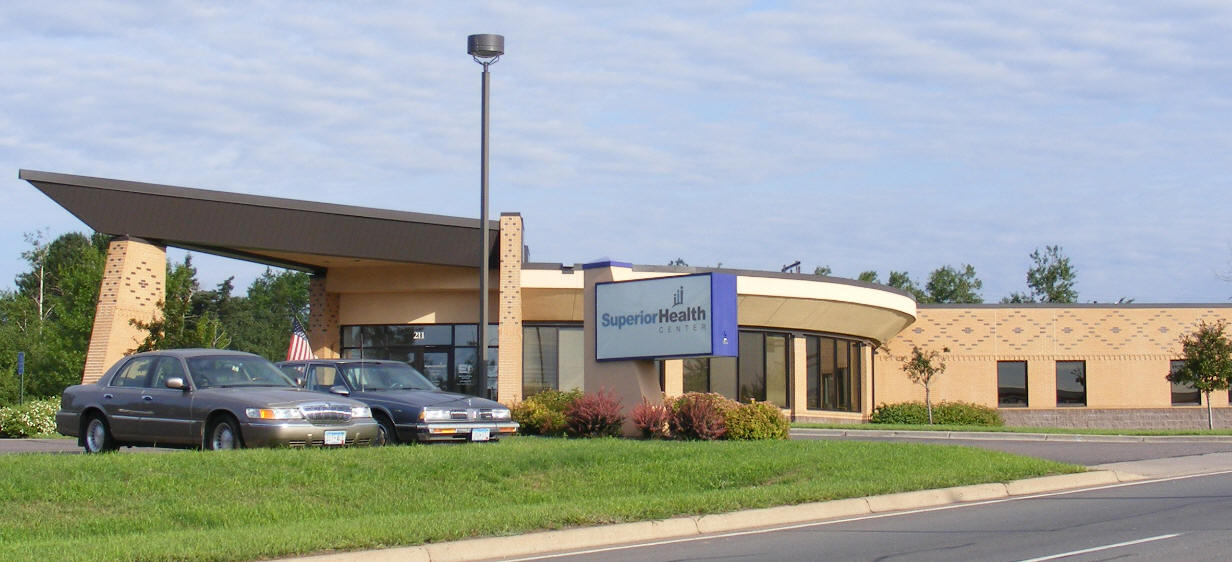
| Superior Health Center 211 S Boundary Avenue Proctor, MN 55810 Phone: (218) 624-4819 |
 |
|
Proctor Public Schools ISD 704 201 1st Avenue N Proctor, MN 55810 Phone: (218) 628-4958 Web: www.proctor.k12.mn.us Grades: PK-12 |
 |
|
Proctor High School 131 9th Avenue Proctor, MN 55810 Phone: (218) 628-4926 Fax: (218) 628-4931 Grades: 9-12 |
|
|
Jedlicka Middle
School 131 9th Avenue Proctor, MN 55810 Phone: (218) 628-4926 Fax: (218) 628-4931 Grades: 6-8 |
|
|
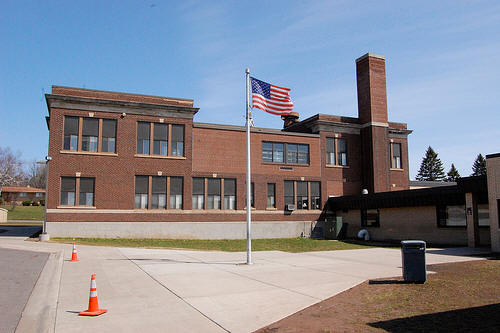
Bay View Elementary School 8708 Vinland Street Duluth, MN 55810 Phone: (218) 628-4949 Fax: (218) 628-4951
Grades: PK-5 |
 |
|
Caribou Lake Elementary 6279 Industrial Rd Saginaw, MN 55779 Phone: 218-729-8802 Fax: 218-729-6771 Grades:
PK-2 |
|
|
Pike Lake Elementary 5682 Martin Road Duluth, MN 55811 Phone: 218-729-8214 Fax: 218-729-8215 Grades: 3-5 |
|
| St.
Rose Catholic School 2 6th Avenue Proctor, MN 55810 Phone: (218) 624-0818 Web: www.stroseproctor.org Grades: PK-6 |
 |
|
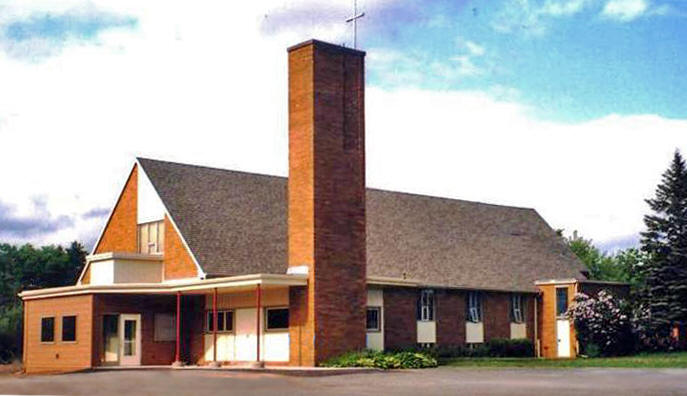
Bethlehem Lutheran Church 701 3rd Avenue Proctor, MN 55810 Phone: (218) 624-5828 Web: www.lutheransonline.com Pastor:
Jeffrey Holter |
 |
| Forbes United Methodist Church 33 Grove Street Proctor, MN 55810 Phone: (218) 624-9390 Pastor:
n/a |
 |
| Immanuel Lutheran Church 614 2nd Street Proctor, MN 55810 Phone: (218) 624-3019 Pastor:
n/a |
|
| St. Rose Catholic Church 3 6th Avenue Proctor, MN 55810 Phone: (218) 624-0007 Pastor:
Rev. Joel Hastings |
|
Proctor Journal 215 Fifth Street Proctor MN 55810-1686 Phone: (218) 624-3344 Fax: (218) 624-7037 Web: www.proctormn.com Weekly newspaper published on Thursdays with a circulation of 1862. |
 |
|
AmericInn Hotel & Suites 185 Highway 2 Proctor, MN 55810 Phone: (218) 624-1026 Toll Free: (800) 960-2767 Web: www.americinn.com • AmericInn Hotel
& Suites of Duluth South has 67 rooms with an indoor pool,
whirlpool and sauna |
 |
|
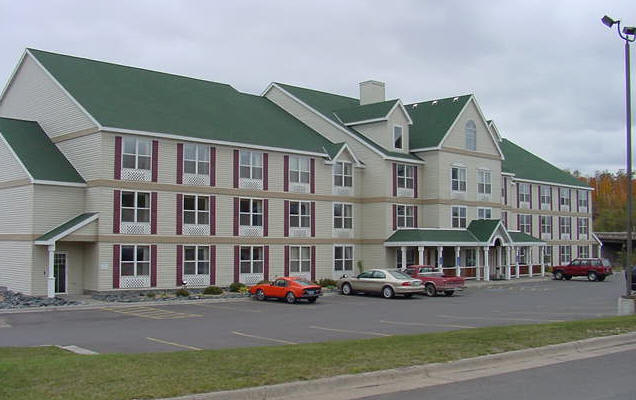
Country Inn & Suites 9330 W Skyline Parkway Proctor, MN 55810 Phone: (218) 624-0668 Toll Free: (800) 456-4000 Web: www.countryinns.com With its charming décor and comfortable amenities, the Duluth Hotel, conveniently located close to major Duluth area attractions, provides a warm and welcoming atmosphere sure to please business and leisure travelers alike. |
 |
|
Duluth
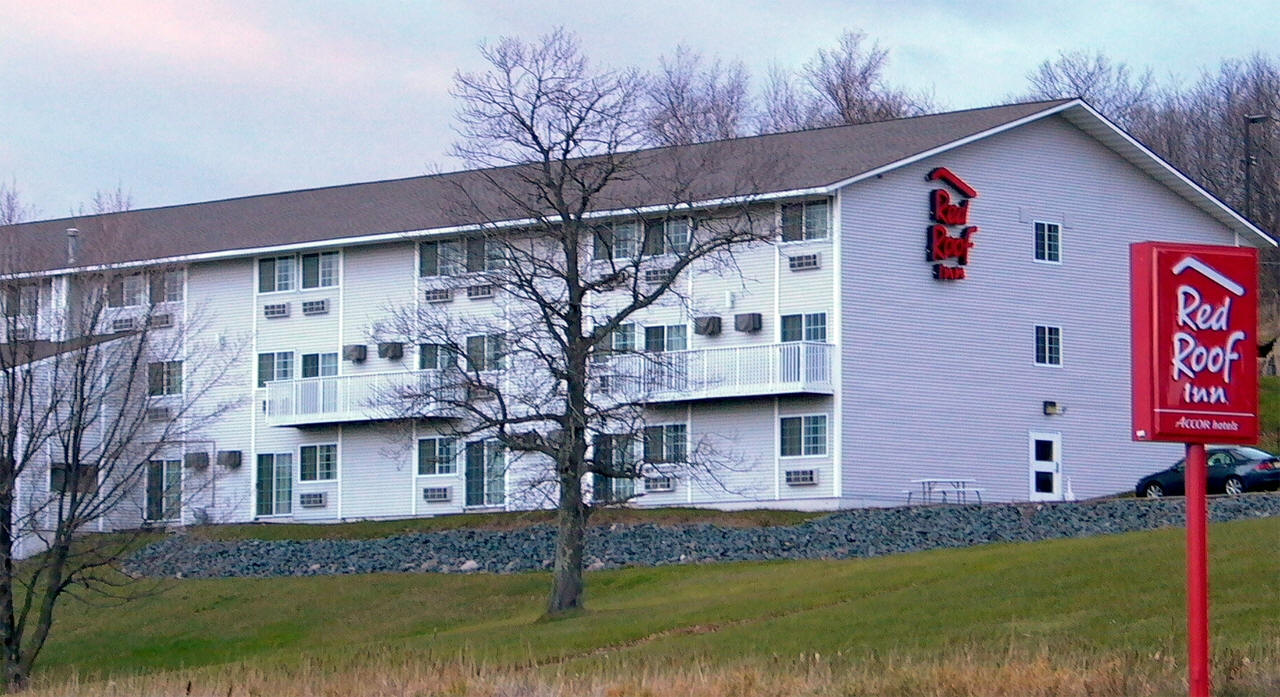
Spirit Mountain Red Roof Inn 9315 Westgate Blvd Proctor, MN 55810 Phone: (218) 624-3691 Toll Free: (800) 777-8530 Web: www.duluthredroofinn.com The Award Winning Duluth Spirit Mountain Red Roof Inn is AAA Diamond Approved and Red Roof Inn A Rated. We just completed a renovation of the entire hotel in 2005 and are under new management. We are Duluth's #1 family hotel and the Twin Ports #1 hotel value. |
 |
|
Mountain Villas at Spirit
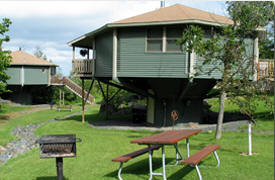
Mountain 9500 Spirit Mountain Place Proctor, MN 55810 Phone: (218) 624-2891 Toll Free: (800) 642-6377 Web: www.mtvillas.com The ONLY lodging located on Spirit Mountain! Each villa is 900 square feet and includes 2 bedrooms, 2 bathrooms, a full kitchen, living room with sofa sleeper, fireplace, TV and VCR, comfortably sleeping 6. |
 |
|
Spirit Mountain 9500 Spirit Mountain Place Proctor, MN 55810 Phone: (218) 624-2891 Toll Free: (800) 642-6377 Web: www.spiritmt.com Premiere ski area in Duluth, MN offering skiing and snowboarding, as well as hiking, biking, and camping. New restaurant on-site and quick access to great Duluth lodging. |
|
Buffalo House 2586 Guss Road Proctor, MN 55810 Phone: (218) 624-9901 Web: www.buffalohouseduluth.com • Water & electric hookups |
 |
|
Spirit Mountain 9500 Spirit Mountain Place Proctor, MN 55810 Phone: (218) 624-2891 Toll Free: (800) 642-6377 Web: www.spiritmt.com Nestled in a forest on the western high point of Duluth, Spirit Mountain Minnesota Campground offers walk-in tenting as well as 73 campsites equipped with fire pits, picnic tables and electricity. Thirty-nine sites have water hook-ups, and two shower buildings offer 24-hour convenience. |
| Abrahamson Heating 214 4th Street Proctor, MN 55810 Phone: (218) 348-6469 |
|
|
Accuflex Coatings 511 3rd Avenue Proctor, MN 55810 Phone: (218) 727-9180 Web: www.accuflexcoatings.com |
 |
| Adolph Store 3710 Midway Road Proctor, MN 55810 Phone: (218) 624-9680 |
|
| Amazing Grace Daycare 1008 Bass Blvd Proctor, MN 55810 Phone: (218) 624-8112 |
|
| Area Churches Together (ACT) 9004 Johnson Road Proctor, MN 55810 Phone: (218) 628-1442 |
|
| Arrowhead Shared Services 930 Highway 2 Proctor, MN 55810 Phone: (218) 624-4792 |
|
|
Bashful Blooms
Floral 204 3rd Avenue Proctor, MN 55810 Phone: (218) 879-3355 Email: bashfulblooms@hotmail.com Web: www.bashfulbloomsfloral.com At Bashful Blooms we pride ourselves in our ability to think "outside of the box". We are a full service florist with delivery in the Proctor, Duluth, Cloquet, Esko and surrounding areas. Bashful Blooms has beautifully arranged 300+ weddings with award winning floral design. We would love to speak to you in person so we can give you the best selection, important delivery details and in house specials. You will actually save an on line service fee (usually $16.95 and up) charged by many of the popular web sites/ call centers and have the added advantage of speaking directly to authentic florists who care about your order. |
 |
| Bill's Gun Repair 9427 Westgate Blvd # 5 Proctor, MN 55810 Phone: (218) 628-2920 |
|
| Birch Hill Kennels 436 Saint Louis River Road Proctor, MN 55810 Phone: (218) 428-3647 |
|
| Black
Woods Grill & Bar 195 Highway 2 Proctor, MN 55810 Phone: (218) 628-0628 Web: www.blackwoods.com Black Woods restaurants feature the style and flavor of the Minnesota Northwoods region with locations in Duluth, Proctor and Two Harbors. |
 |
|
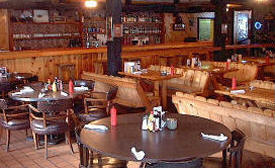
Buffalo House 2586 Guss Road Proctor, MN 55810 Phone: (218) 624-9901 Web: www.buffalohouseduluth.com Open Monday- Friday at 11:00 a.m. Saturdays -
Sundays open at 9:00 a.m. Breakfast menu available... |
 |
| Chasers 408 3rd Avenue Proctor, MN 55810-1626 Phone: (218) 624-0056 |
 |
| Coffee Den 212 3rd Avenue Proctor, MN 55810 Phone: (218) 624-5818 |
 |
|
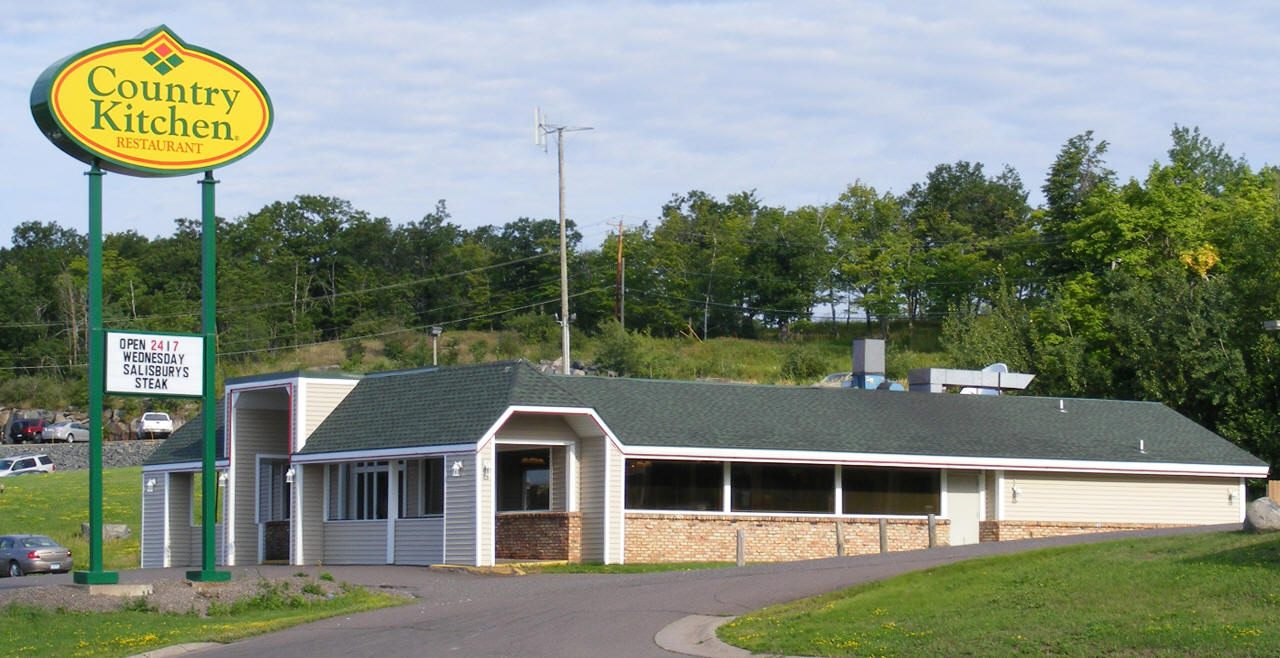
Country
Kitchen 9305 Westgate Blvd Proctor, MN 55810 Phone: (218) 624-9591 Web: www.countrykitchenrestaurants.com |
 |
| Dewall Service Center 302 2nd Street Proctor, MN 55810 Phone: (218) 624-8877 |
|
|
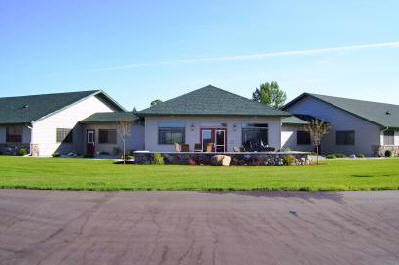
Diamond
Willow 915 Old Highway 2 Proctor, MN 55810 Phone: (218) 428-7575 Web: www.diamondwillowassistedliving.com Diamond Willow Advanced Care Assisted Living offers an environment that’s not like a nursing home or hospital, it's truly like a home. With only ten residents per building, each person receives the individualized care they deserve. |
 |
| Dry Dock Bar & Restaurant 2820 Midway Road Proctor, MN 55810 Phone: (218) -624-5512 |
|
| Duluth Missabe Railway 329 S Street Proctor, MN 55810 Phone: (218) 628-4100 |
|
|
Dynamic
Structural Steel LLC 329 2nd Street Proctor, MN 55810 Phone: (218) 628-2501 Web: www.dynamicstructuralsteel.com Dynamic Structural Steel in Duluth, Minnesota specializes in steel fabrication for commercial and industrial buildings, the best choice for fabricated steel for the midwest. |
 |
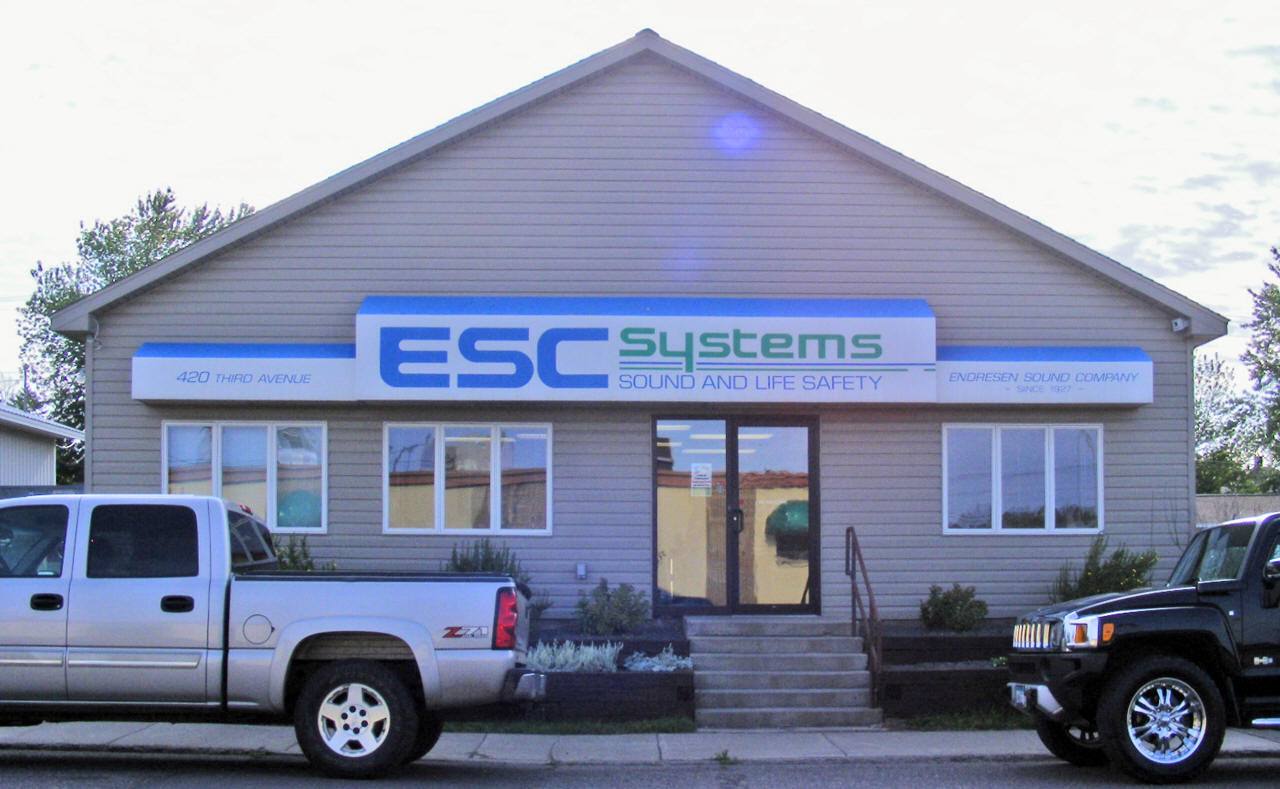
| ESC Systems Sound & Life 420 3rd Avenue Proctor, MN 55810 Phone: (218) 727-3267 |
 |
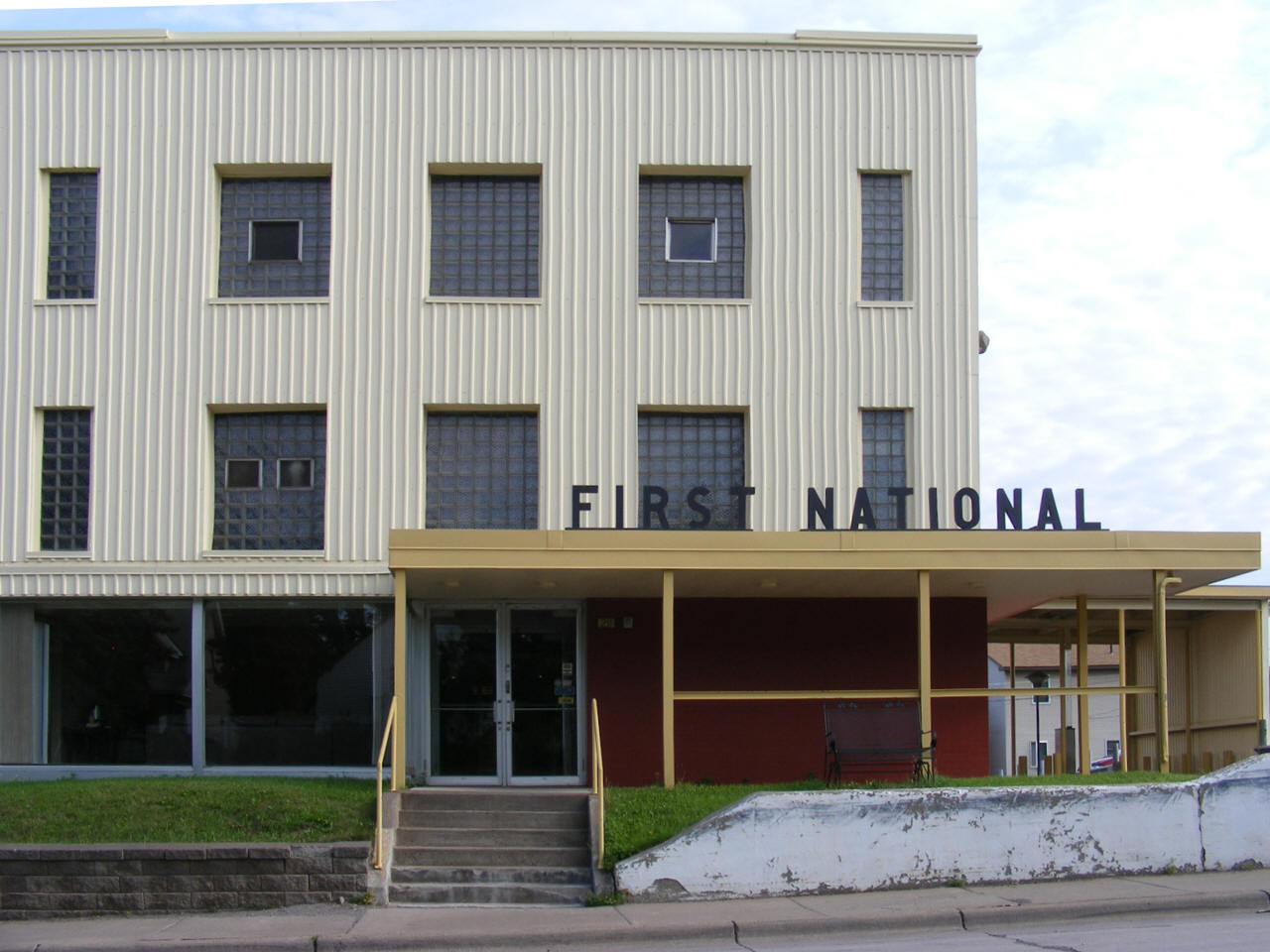
| First
National Bank of Proctor 211 2nd Street Proctor, MN 55810 Phone: (218) 628-1088 Web: www.proctorbank.com |
 |
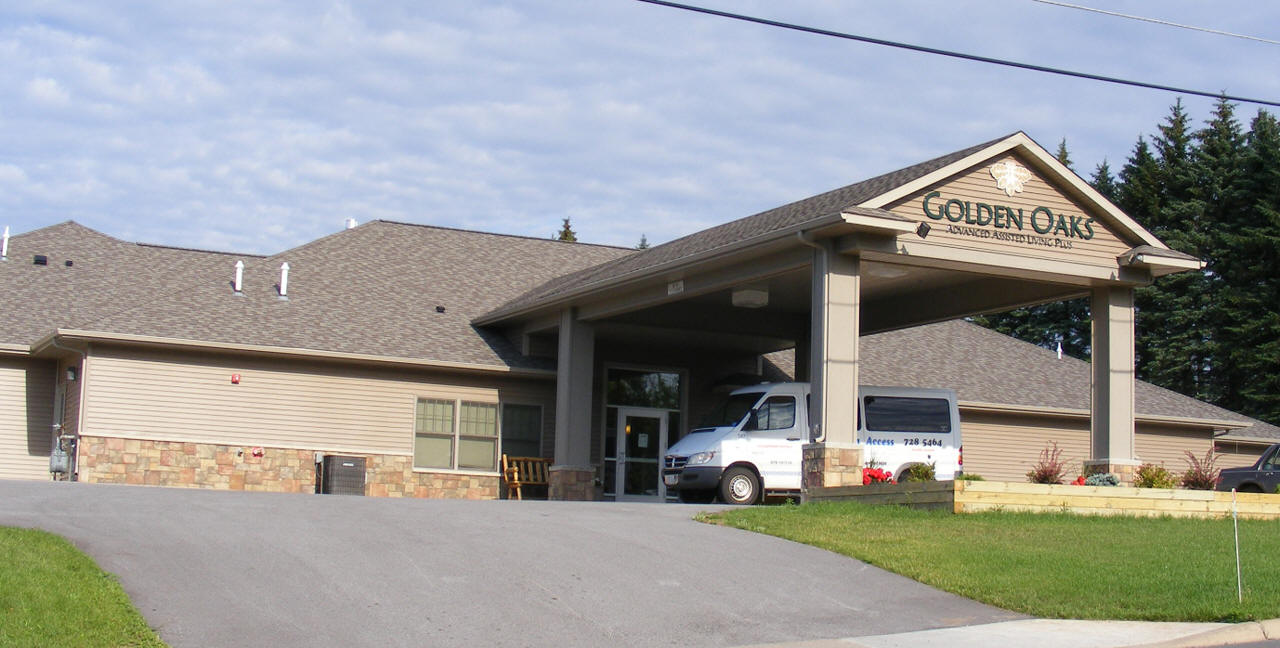
| Golden Oaks Assisted Living 23 Waterview Drive Duluth, MN 55810-2406 Phone: (218) 740-0404 |
 |
| Graves Drilling 540 S Ugstad Road Proctor, MN 55810 Phone: (218) 624-5322 |
|
| Hair Fashions by Carol 314 S Ugstad Road Proctor, MN 55810 Phone: (218) 624-1704 |
|
| Hartel's DBJ Fabrication 931 Highway 2 Proctor, MN 55810 Phone: (218) 624-4049 |
|
|
Hartel's/DBJ Disposal Company 930 Highway 2 Proctor, MN 55810 Phone: (218) 729-5446 Web: www.hartels-dbj.com The Local Choice for over 50 years! We've been serving the areas waste and recycling needs since 1952. Though we are now the areas oldest and largest independent hauler, we still give our customers the flexible service they wantalong with the personal touch they deserve! |
 |
| Heartland Payment Systems 908 2nd Avenue Proctor, MN 55810 Phone: (218) 624-3231 |
|
| Hillside Garden 419 7th Street # 18 Proctor, MN 55810 Phone: (218) 624-2371 |
|
| His 'N Hers Hair Affair 1202 3rd Avenue Proctor, MN 55810 Phone: (218) 624-3167 |
|
|
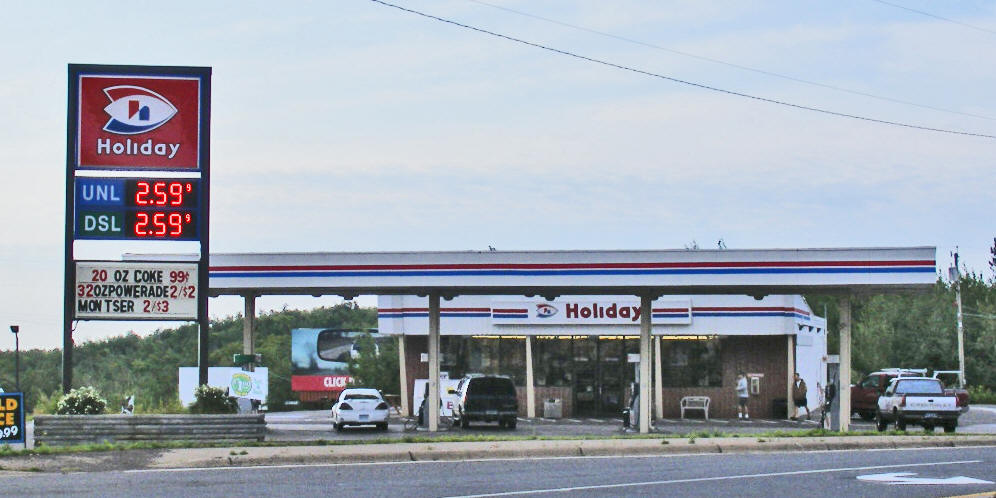
Holiday
Stationstores 200 S Boundary Avenue Proctor, MN 55810 Phone: (218) 624-5004 Web: www.holidaystationstores.com |
 |
|
Holiday
Stationstores 9314 West Skyline Parkway Proctor, MN 55810 Phone: (218) 628-8000 Web: www.holidaystationstores.com |
 |
|
Innovative Living 319 7th Street Proctor, MN 55810 Phone: (218) 624-7005 Web: www.innovativeliving.net Based in Proctor, Minnesota, Innovative Living, Inc. is a family oriented and community-based company, striving to meet the needs of people with disabilities and special needs of all kinds. |
 |
| Jay's Moving Service 136 2nd Street Proctor, MN 55810 Phone: (218) 624-2169 |
|
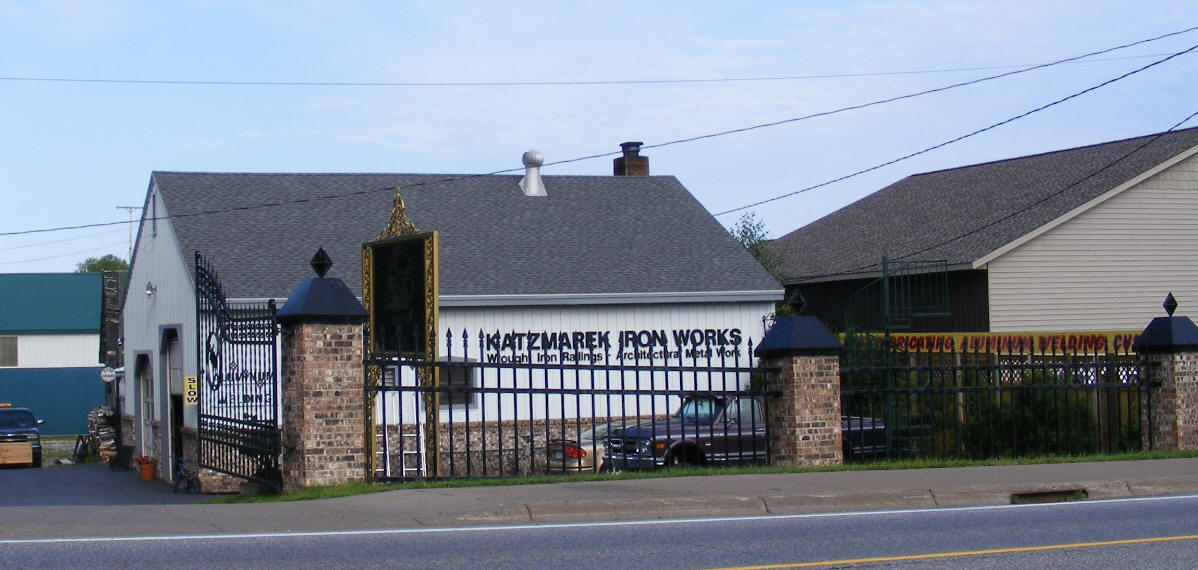
| Katzmarek Ornamental Iron 101 3rd Avenue Proctor, MN 55810 Phone: (218) 624-2546 |
 |
| Katzmarek Sewer Service 9440 Mountain Drive Proctor, MN 55810 Phone: (218) 729-4983 |
|
| Keyboard Lounge 224 3rd Avenue Proctor, MN 55810 Phone: (218) 628-0530 |
 |
| L & M Towing PO Box 1046 Proctor, MN 55810 Phone: (218) 624-2948 |
|
| Lake States Insulation 303 5th Avenue Proctor, MN 55810 Phone: (218) 624-9376 |
|
|
Lake Superior
Mortgage 202 3rd Avenue Proctor, MN 55810 Phone: (218) 628-7222 Web: www.lakesuperiormortgage.com |
|
| Lakehead Racing Association PO Box 1069 Proctor, MN 55810 Phone: (218) 624-0542 |
|
|
Lakeside Mills 220 4th Street Proctor, MN 55810 Phone: (218) 722-9143 Web: http://66105.asisupplier.com Blankets Caps & Hats - Baby Items- Sweat Shirts |
 |
| Lamar Outdoor
Advertising 9331 Westgate Blvd Proctor, MN 55810 218-628-2301 Web: www.lamar.com |
 |
|
Little
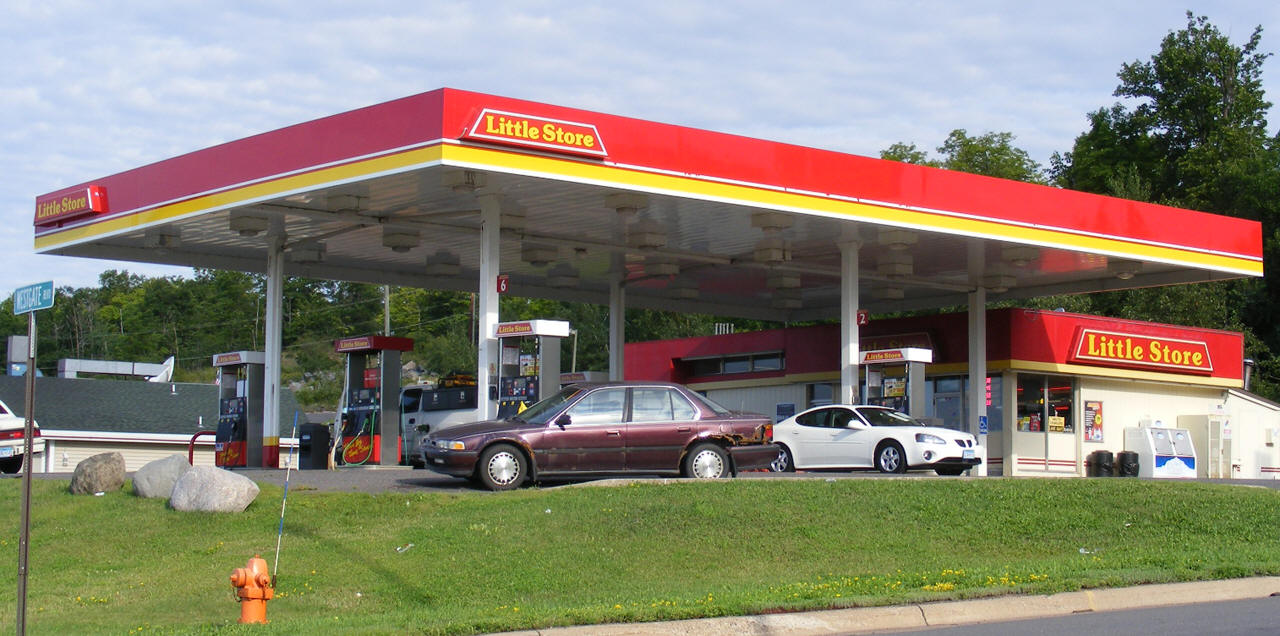
Store 9303 Westgate Blvd Proctor, MN 55810 Phone: (218) 624-9654 Web: www.bestoilcompany.com/littlestore/ |
 |
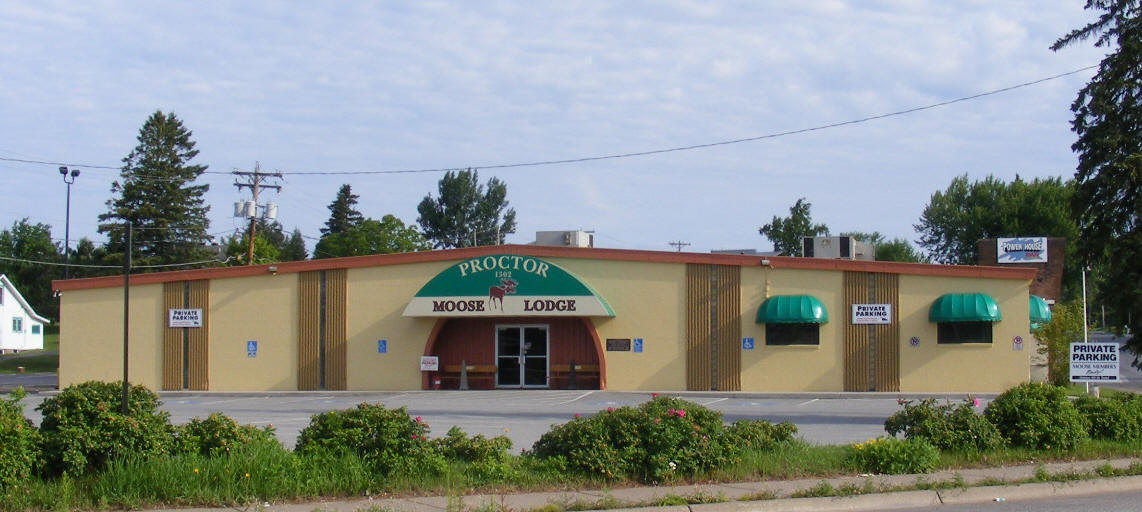
| Loyal Order of Moose 415 3rd Avenue Proctor, MN 55810 Phone: (218) 624-1908 |
 |
| LTC Prescription Providers 220 3rd Avenue Proctor, MN 55810 Phone: (218) 628-9368 |
 |
| Madson
Financial Consultants 202 3rd Avenue Proctor, MN 55810 Phone: (218) 628-3135 Web: www.axaonline.com |
 |
| Master Piano Shop 9353 Westgate Blvd Proctor, MN 55810 Phone: (218) 726-1777 |
|
| Mavo Systems Inc 98 Pionk Drive Proctor, MN 55810 Phone: (218) 624-2135 |
|
|
McDonald's 9310 W Skyline Pkwy Proctor, MN 55810 Phone: (218) 628-2112 Web: www.mcdonalds.com |
 |
| Midway Pumping Service 98 Pionk Drive Proctor, MN 55810 Phone: (218) 628-0346 |
|
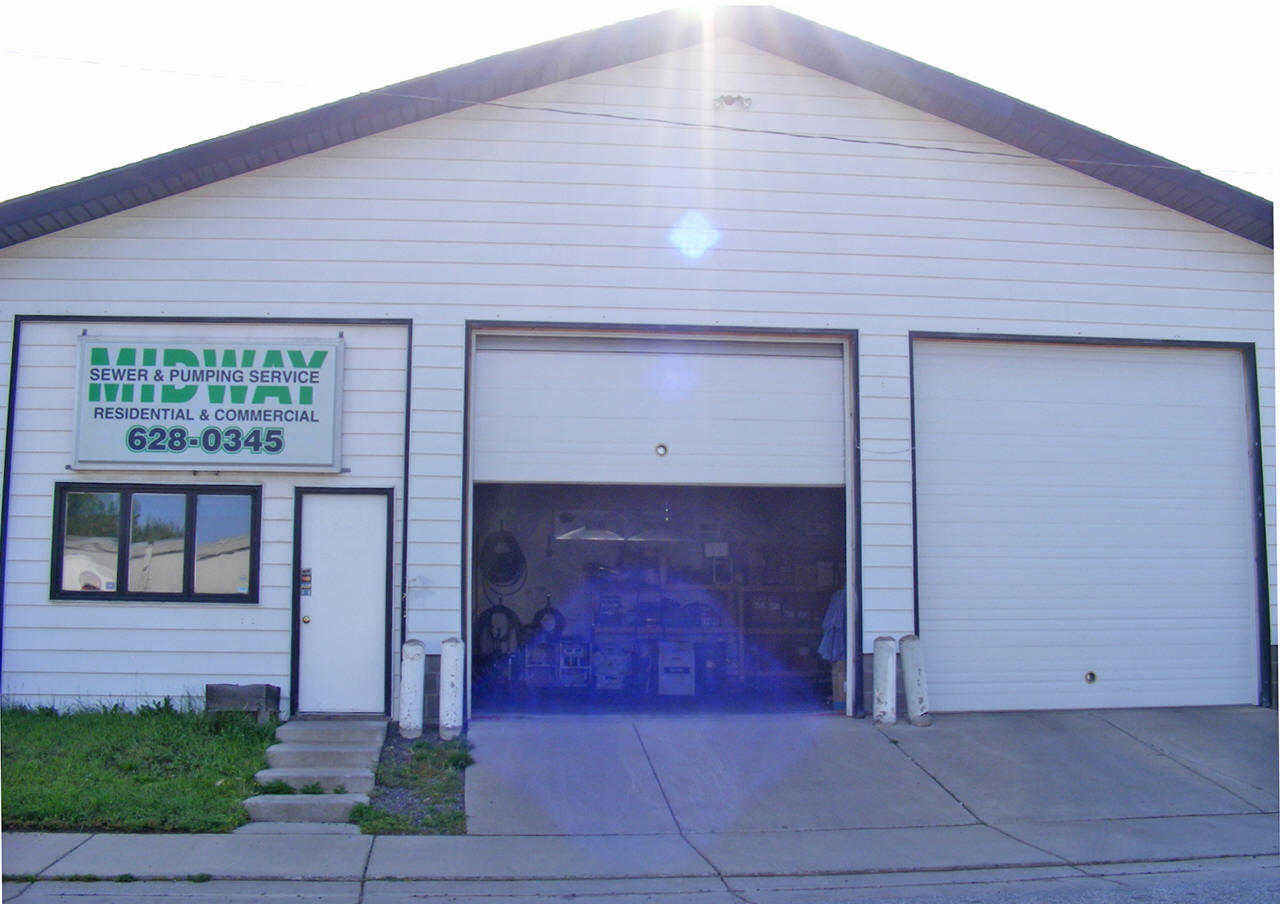
| Midway Sewer Service 9440 Mountain Drive Proctor, MN 55810 Phone: (218) 628-0345 |
 |
| Midway Sheet Metal 2671 Midway Road Proctor, MN 55810 Phone: (218) 624-9446 |
|
| Midwest Professional Planners 202 3rd Avenue Proctor, MN 55810 Phone: (218) 628-3134 |
|
| Morins
ABC Seamless Siding 5384 Highway 2 Proctor, MN 55810 Phone: (218) 624-3825 Web: www.morinsabc.com Morin's Siding & Window Company, Inc. is a franchise of ABC Seamless and is owned by Dan & Chris Morin. We have been in business since 1986. Our company employs approximately 28 people ranging from office staff, sales staff, and production workers. Our crews work year round weather permitting. |
 |
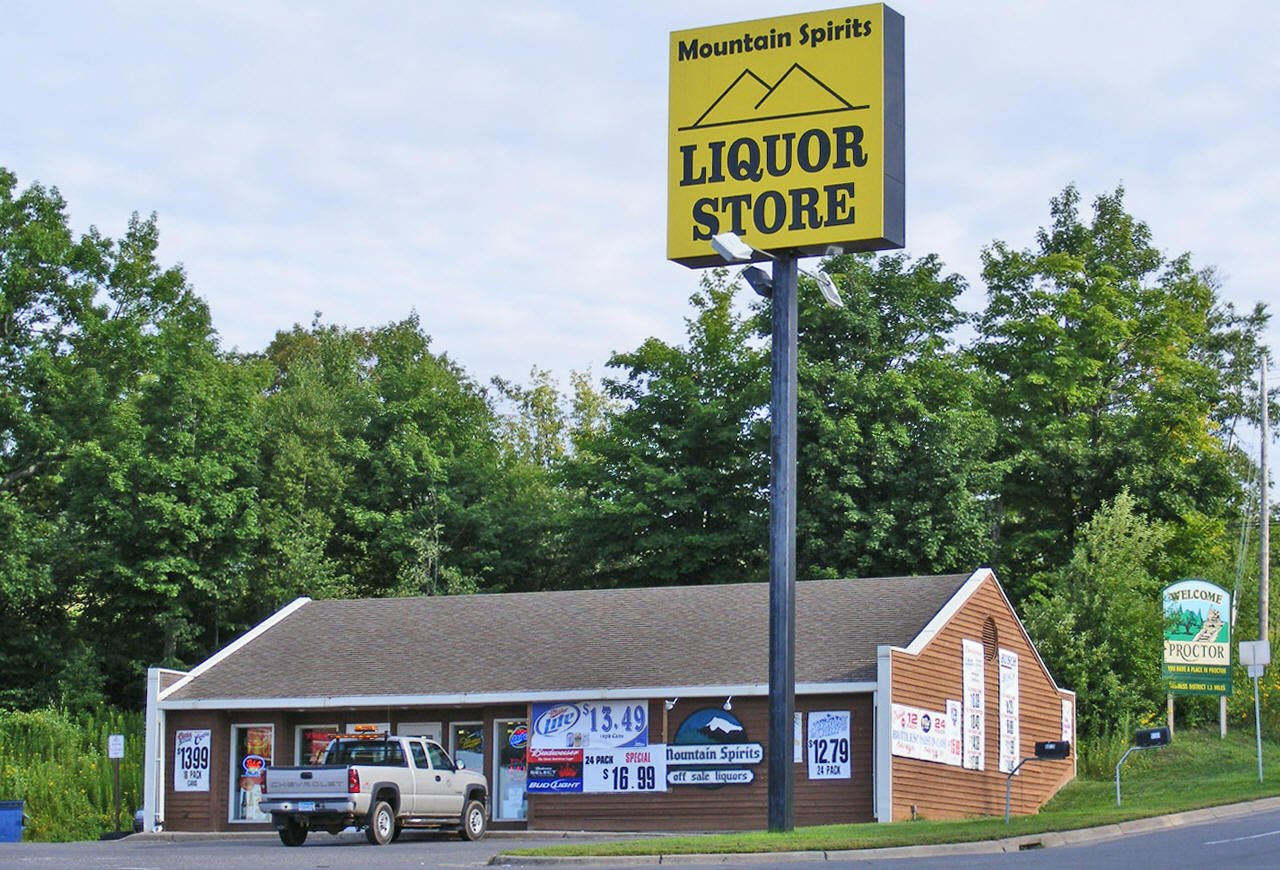
| Mountain Spirits Liquors 9301 Westgate Blvd. Proctor, MN 55810 Phone: (218) 624-7552 |
 |
| New York Life 12 3rd Street Proctor, MN 55810 Phone: (218) 624-7502 |
|
| Norm's Harbor City Taxi 220 1st Street Proctor, MN 55810 Phone: (218) 343-1000 |
|
| Northern Engine & Supply Inc 9355 Westgate Blvd Proctor, MN 55810 Phone: (218) 628-2337 |
|
| Pit Stop Bar 3 6th Street Proctor, MN 55810 Phone: (218) 624-4347 |
|
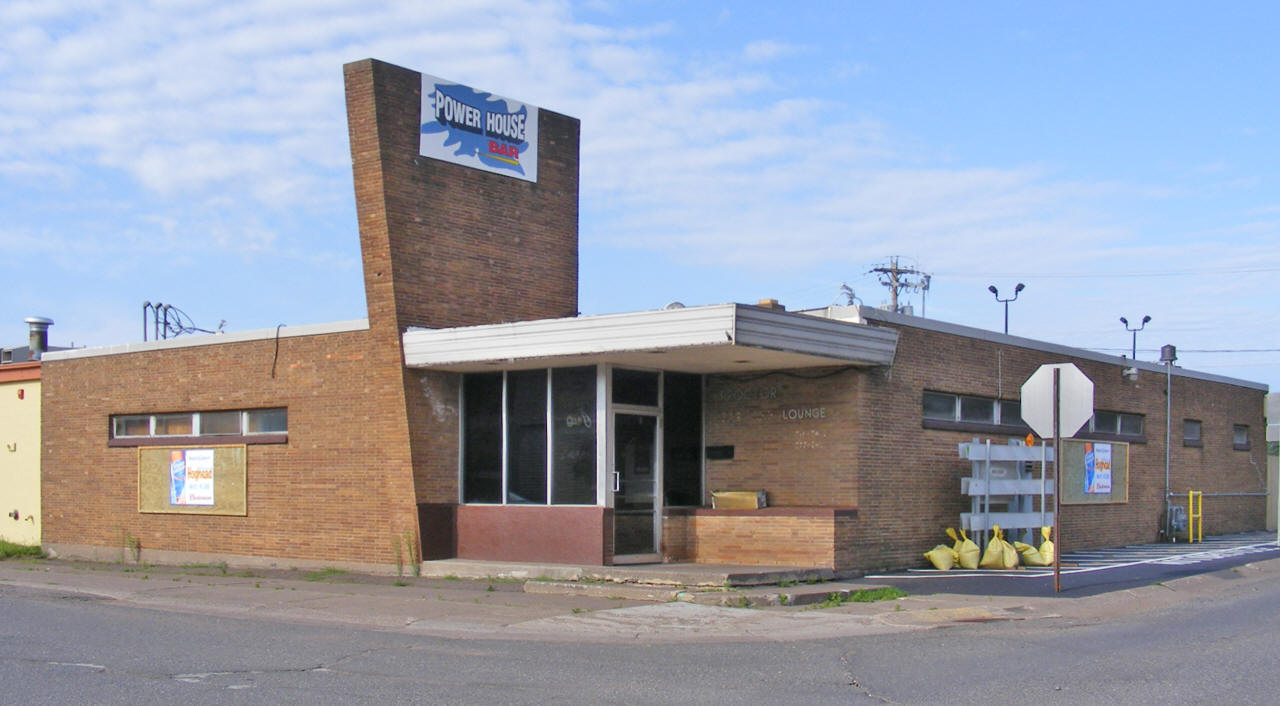
| Powerhouse Bar 423 3rd Avenue Proctor, MN 55810 Phone: (218) 624-0626 |
 |
| Proctor Arena 800 N Boundary Avenue Proctor, MN 55810 Phone: (218) 624-7988 |
|
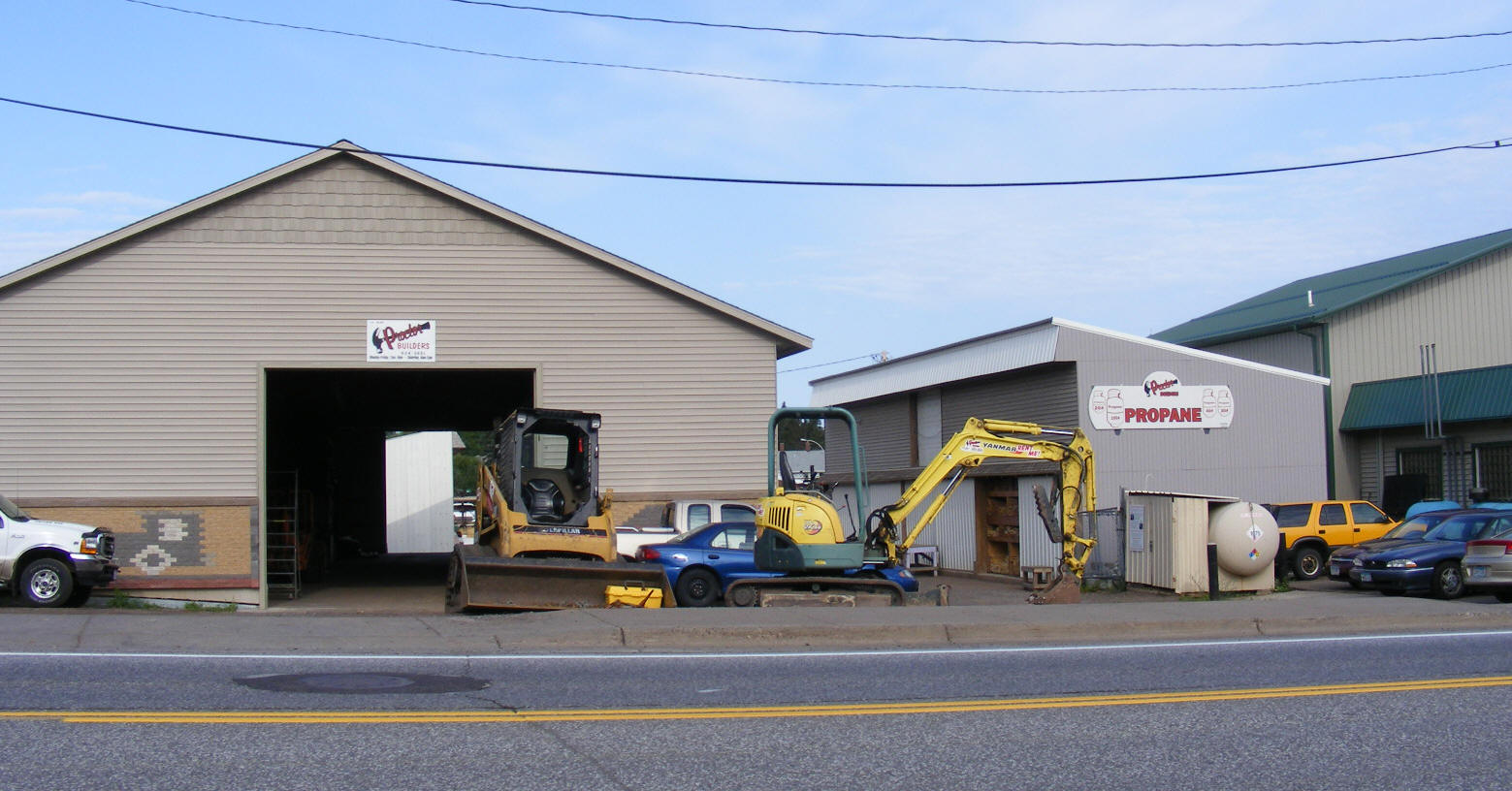
| Proctor Builders & True Value 132 3rd Avenue Proctor, MN 55810 Phone: (218) 624-3651 |
 |
| Proctor Cable Studio-Trac 7 100 Pionk Drive Proctor, MN 55810 Phone: (218) 628-6284 |
|
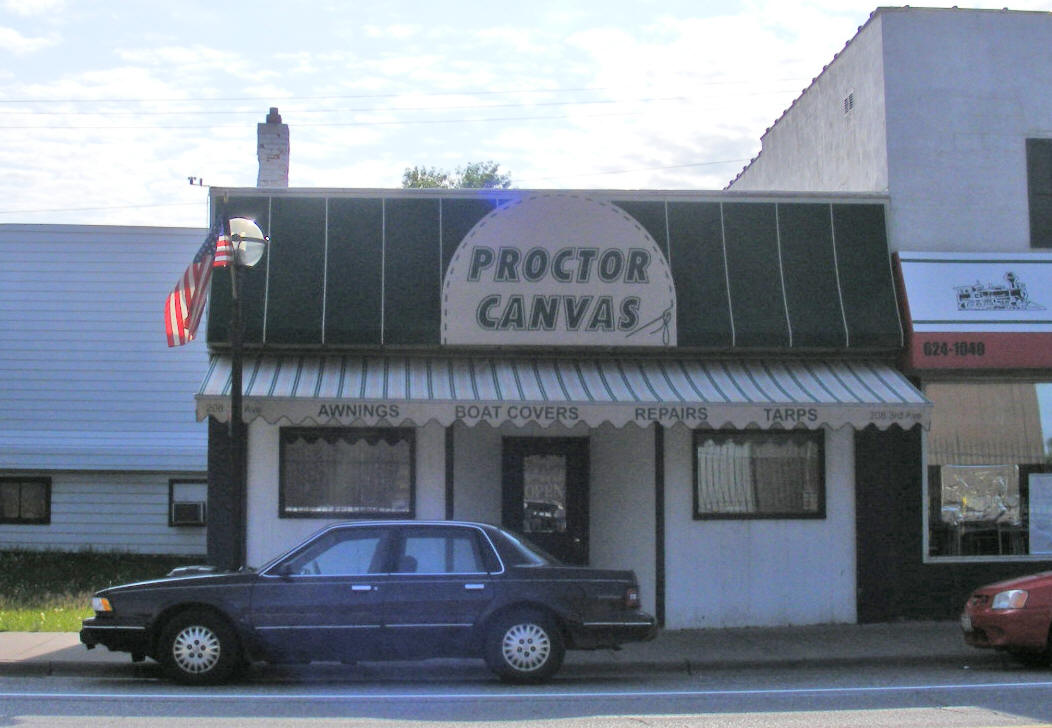
| Proctor Canvas 208 3rd Avenue Proctor, MN 55810 Phone: (218) 628-2316 |
 |
| Proctor City Community Center 100 Pionk Drive Proctor, MN 55810 Phone: (218) 628-6293 |
|
| Proctor City Historical Society 100 Pionk Drive Proctor, MN 55810 Phone: (218) 628-6288 |
|
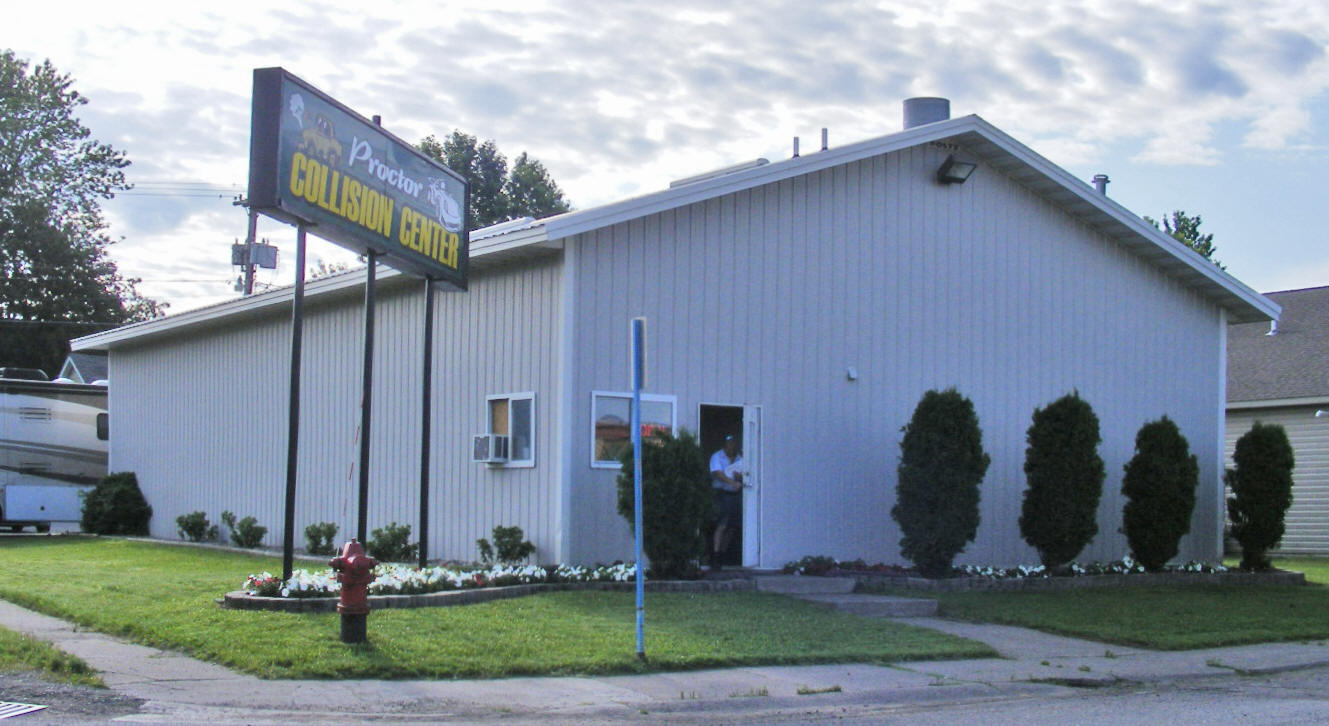
| Proctor Collision Center 430 3rd Avenue Proctor, MN 55810 Phone: (218) 624-4419 |
 |
| Proctor Dental Clinic 225 2nd Street Proctor, MN 55810 Phone: (218) 624-7002 |
 |
| Proctor
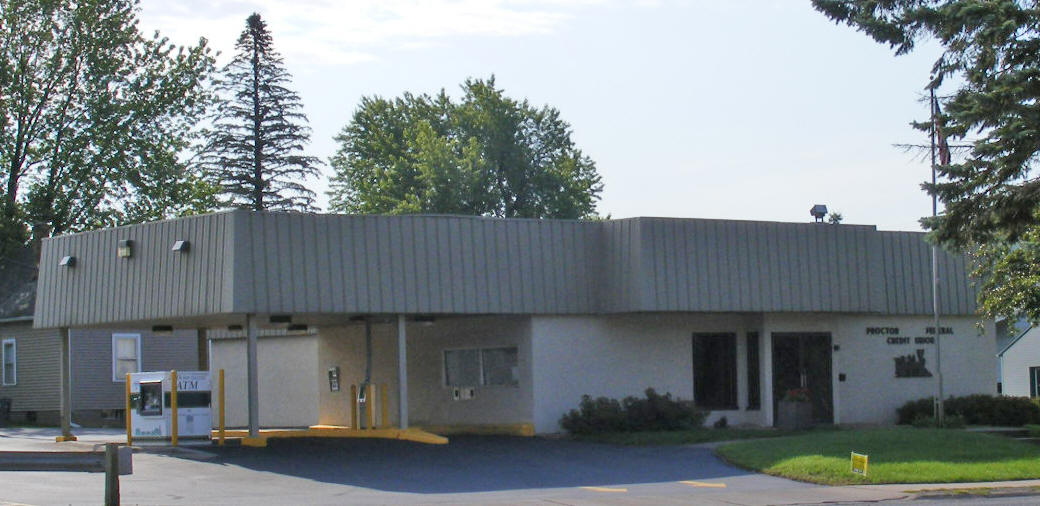
Federal Credit Union 410 N 2nd Avenue Proctor, MN 55810 Phone: (218) 624-5761 Web: www.proctorfcu.com |
 |
| Proctor Fire Hall 223 5th Avenue Proctor, MN 55810 Phone: (218) 628-0787 |
|
| Proctor Fitness Center 131 9th Avenue Proctor, MN 55810 Phone: (218) 624-4064 |
|
| Proctor Golf & Club House 25 Al Shoberg Drive Proctor, MN 55810 Phone: (218) 624-2255 |
|
|
Proctor Journal 215 Fifth Street Proctor MN 55810-1686 Phone: (218) 624-3344 Fax: (218) 624-7037 Web: www.proctormn.com Weekly newspaper published on Thursdays with a circulation of 1862. |
|
| Proctor Milk House 304 3rd Avenue Proctor, MN 55810 Phone: (218) 624-0743 |
 |
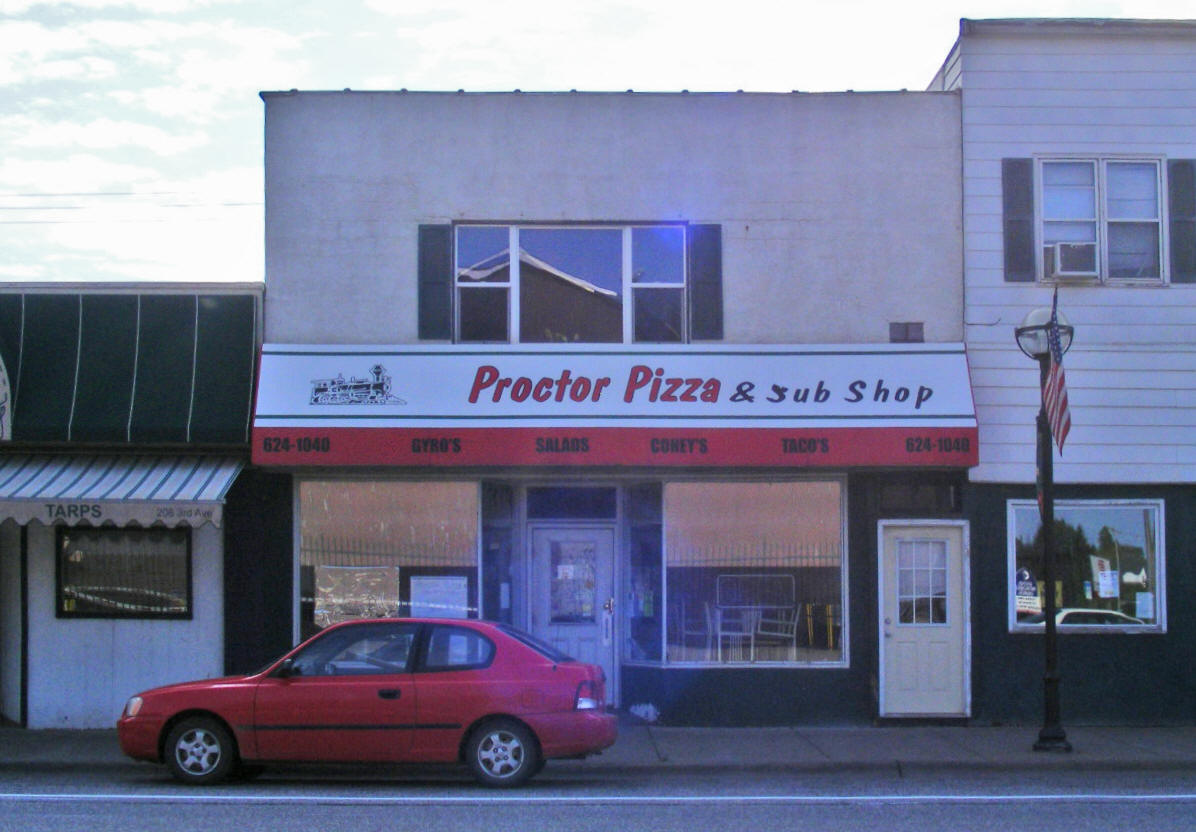
| Proctor Pizza & Sub Shop 204 3rd Avenue Proctor, MN 55810 Phone: (218) 624-1040 |
 |
| Proctor Police Department 100 Pionk Drive Proctor, MN 55810 Phone: (218) 624-7788 |
|
|
Proctor Public Schools ISD 704 201 1st Avenue N Proctor, MN 55810 Phone: (218) 628-4958 Web: www.proctor.k12.mn.us |
|
|
Proctor Speedway 800 N Boundary Avenue Proctor, MN 55810 Phone: (218) 624-0606 Web: www.proctorspeedway2.com 3/8 Mile semi-banked clay Dirt Race Track located on the South St. Louis County Fairgrounds. Regular racing is Every Sunday Night from May 18th though August 24th. The racing season is capped off with the Silver 1000 and Procotoberfest. The Proctor Speedway also hosts four Enduro races during the season. |
|
| Proctor Street Department 200 2nd Street Proctor, MN 55810 Phone: (218) 624-9024 |
|
| Proctor Video 200 4th Street Proctor, MN 55810 Phone: (218) 624-3629 |
 |
| R Dale Company 931 Highway 2 Proctor, MN 55810 Phone: (218) 310-7497 |
|
| Railview Apartments 1015 2nd Avenue Proctor, MN 55810 Phone: (218) 624-3824 |
|
|
Railway Pizzeria & Bar 318 3rd Avenue Proctor, MN 55810 Phone: (218) 624-2199 2 happy hours 7 days a week!!! 4-7 and 10-12 1/2 price taps and $1 off everything else. |
 |
| Rascal's Lounge 408 3rd Avenue Proctor, MN 55810 Phone: (218) 624-3486 |
|
| S & L Mobile Home Service & Repair 1105 Bass Blvd Proctor, MN 55810 Phone: (218) 940-1307 |
|
| South St. Louis County Fair Association PO Box 1013 Proctor, MN 55810 Phone: (218) 591-6274 |
|
| Spirit Mountain Apartments 9416 Mountain Drive Proctor, MN 55810 Phone: (218) 628-1977 |
|
| St. Rose Catholic School 2 6th Avenue Proctor, MN 55810 Phone: (218) 624-0818 |
|
| Superior Coating Specialists 511 3rd Avenue Proctor, MN 55810 Phone: (218) 727-9180 |
|
| Superior Health Center 211 S Boundary Avenue Proctor, MN 55810 Phone: (218) 624-4819 |
|
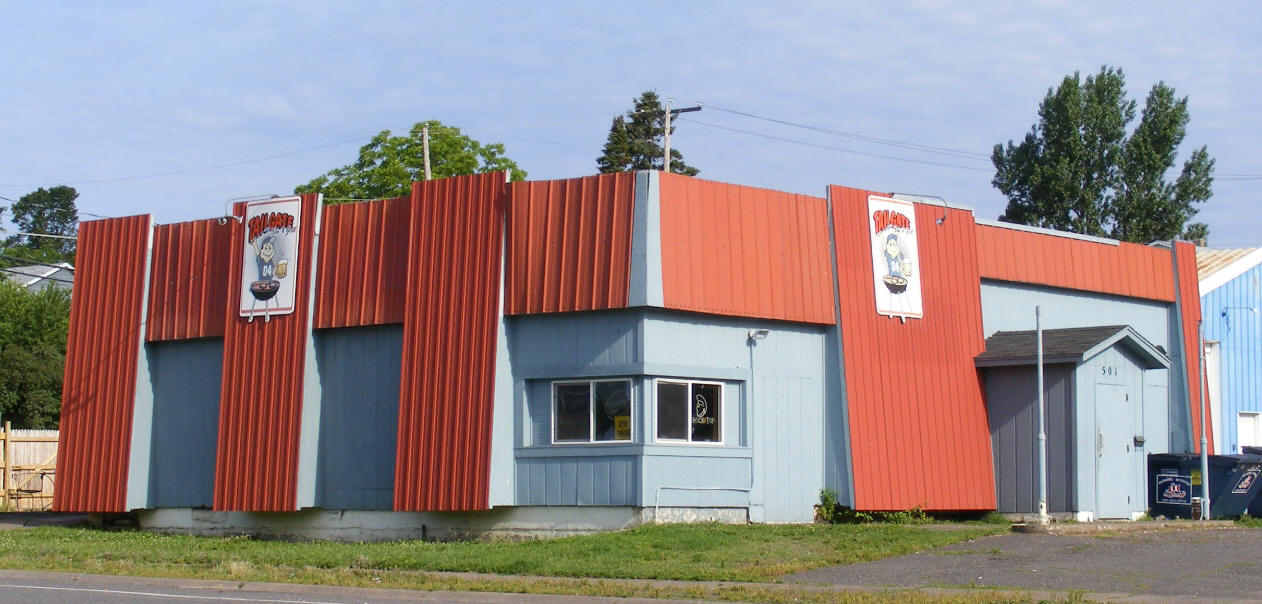
| Tailgate Bar & Grill 501 3rd Avenue Proctor, MN 55810 Phone: (218) 628-7181 |
 |
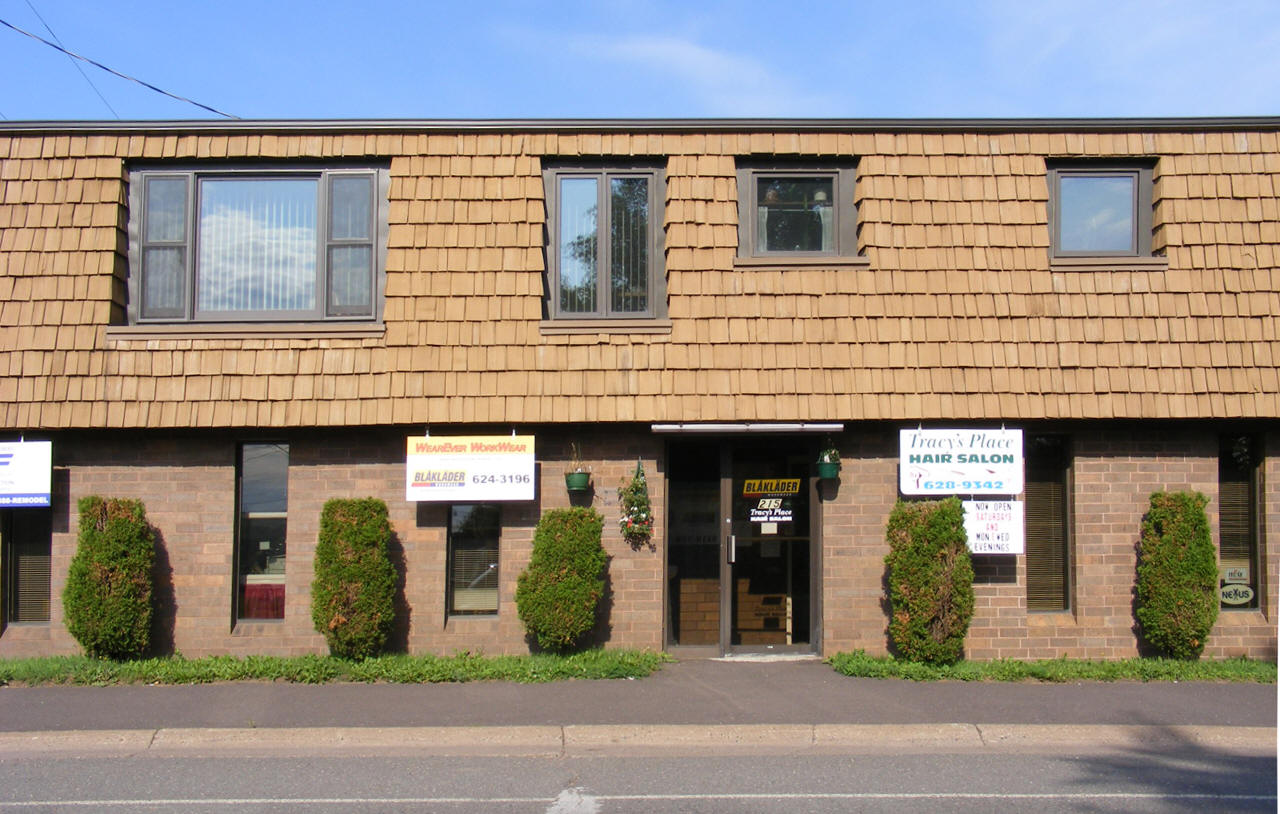
| Tracy's Place Hair Salon 215 N 2nd Avenue Proctor, MN 55810 Phone: (218) 628-9342 |
 |
| Troy's Amoco 302 2nd Street Proctor, MN 55810 Phone: (218) 624-3322 |
 |
| Turning Point Therapy 211 S Boundary Avenue Proctor, MN 55810 Phone: (218) 624-5215 |
|
| U-Haul Company 9427 Westgate Blvd Proctor, MN 55810 Phone: (218) 624-2869 |
|
|
US
Post Office 217 2nd Street Proctor, MN 55810-1650 Phone: (218) 624-2530 Toll Free: (800) ASK-USPS Web: www.usps.com |
|
| USA Towing & Recovery 9423 Westgate Blvd Proctor, MN 55810 Phone: (218) 591-0020 |
|
| William Freeberg Construction 215 N 2nd Avenue # A Proctor, MN 55810 Phone: (218) 624-3195 |
|
| Wok N-Grill 520 3rd Avenue Proctor, MN 55810 Phone: (218) 628-2901 |
|
|
Zenith Terrace 2 Foxtail Avenue Proctor, MN 55810 Phone: (218) 628-2259 Web: www.zenithterrace.com Zenith Terrace is a beautiful manufactured housing community located in Duluth, MN, neighboring the suburb of Proctor. Our community of homeowners have large homesites for their triple, double or single section homes. |
 |
|
|
|
|
|
|
© 2004-2025
LakesnWoods LLC All Rights Reserved |
|
|
|
||