|
Navigation LakesnWoods.com
Home
Page
Contact Us
Privacy
Minnesota History Shop
Visit The Minnesota History Shop
www.minnesotahistoryshop.com
Historic maps
Historic books
Historic framed art
Historic
postcards
Clothing with historic
images
And much more!!! |
Bock Guide:
Photo Gallery
Location
Geography
Demographics
History
Government
Post Office
News
Weather
Street Map
Events
Attractions
Recreation
Lakes
Health Care
Schools
Churches
Media
Motels
Resorts
Campgrounds
Businesses
Aerial Photo
Topographic Map Nearby Communities
Foreston
Milaca
Mora
Ogilvie
Pease
Princeton © 2004-2024
Lakeweb1 Internet Services
All Rights Reserved
DCMA, Defamation, Copyright and Trademark Infingement Policy
|
WANTED! Do you have photos, historical accounts or
other items pertaining to the Bock area? Would you like to
share this historical information with the world?
LakesnWoods.com would like to publish your Bock photos
(current or historical) or historical accounts on this website.
Original materials can be returned and your privacy will be
respected.
Contact us |


|
Bock Minnesota Community Guide
Location:
Population:
| Bock (city) |
1970 |
1980 |
1990 |
2000 |
2010 |
2000-2010
Change |
| Actual |
Percent |
| Population |
105 |
105 |
115 |
106 |
106 |
0 |
0.00 |
| Land Area (sq. mile) |
0.10 |
0.25 |
0.13 |
0.13 |
0.13 |
0 |
0.00 |
| Density (persons per sq. mile) |
1,050.00 |
420.00 |
884.62 |
806.23 |
806.23 |
0 |
0.00 |
| Housing Units |
40 |
44 |
44 |
48 |
49 |
+1 |
+2.08 |
| Households |
-- |
42 |
41 |
46 |
46 |
0 |
0.00 |
| Persons Per Household |
-- |
2.50 |
2.80 |
2.22 |
2.22 |
0 |
0.00 |
Geography:
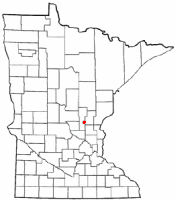
Bock is a city in Mille Lacs County, Minnesota.
Minnesota Highway 23 serves as a main route in the community. According
to the United States Census Bureau, the city has a total area of 0.15
square miles (0.39 km2), all of it land. The elevation is 1,102 ft
(336 m) above sea level.
From
Wikipedia, the free
encyclopedia.
Demographics:
As of the census of 2010, there were
106 people, 46 households, and 28
families residing in the city. The
population density was 706.7 inhabitants
per square mile (272.9/km2). There were
49 housing units at an average density
of 326.7 per square mile (126.1/km2).
The racial makeup of the city was 96.2%
White, 1.9% Asian, 0.9% from other
races, and 0.9% from two or more races.
Hispanic or Latino of any race were 1.9%
of the population.
There were 46 households of which
28.3% had children under the age of 18
living with them, 43.5% were married
couples living together, 10.9% had a
female householder with no husband
present, 6.5% had a male householder
with no wife present, and 39.1% were
non-families. 30.4% of all households
were made up of individuals and 10.8%
had someone living alone who was 65
years of age or older. The average
household size was 2.30 and the average
family size was 2.75.
The median age in the city was 44.3
years. 21.7% of residents were under the
age of 18; 10.4% were between the ages
of 18 and 24; 19.8% were from 25 to 44;
38.6% were from 45 to 64; and 9.4% were
65 years of age or older. The gender
makeup of the city was 52.8% male and
47.2% female.
History:
BOCK, a city in section 15 of Borgholm Township, was
named by officers of the Great Northern Railway company. It was
incorporated as a village on January 30, 1923; its Great Northern
Railway siding was first called Tosca by the railroad and renamed for
the first businessmen, the Bock brothers of New Ulm, who built a
sawmill, which they sold in 1890 to Charles W. Burnhelm, for whom the
Burnhelm Siding nearby was named. The post office operated 1892-1910 and
since 1915; Burnhelm was the first postmaster. Courtesy
Minnesota Historical Society
Government:
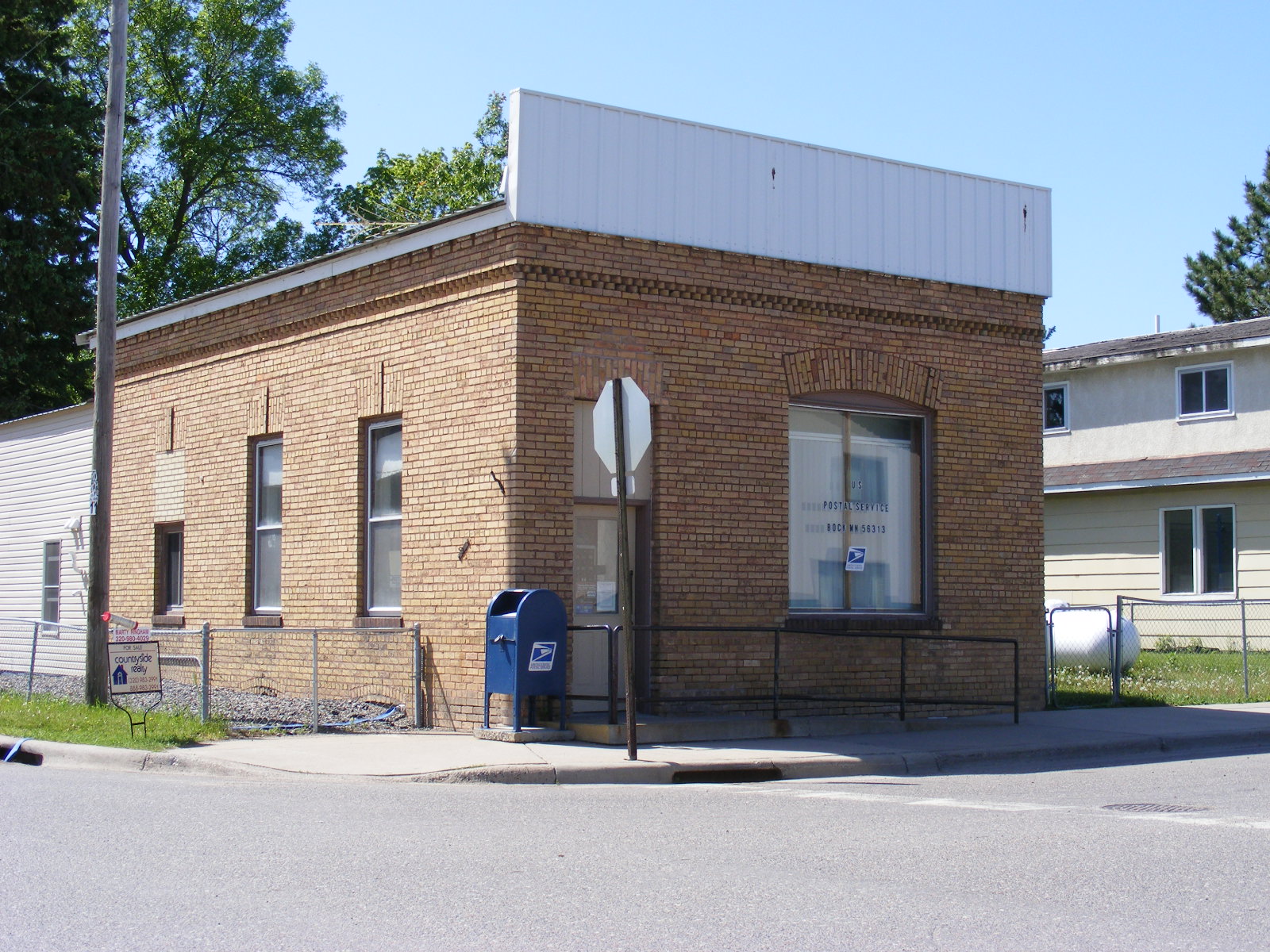
Post Office:
US Post
Office
1661 Wall Avenue
Bock, MN 56313-4500
Phone: (320) 556-3412
Toll Free: (800) ASK USPS
Regular Business Hours:
Week Days 12:15
pm - 2:15 pm
Saturday
10:30 am - 12:30 pm
  |
 |
Utilities:
Major
Employers:
|
Employer |
Products/Services |
Employees |
|
n/a |
News:
Weather:
Map:
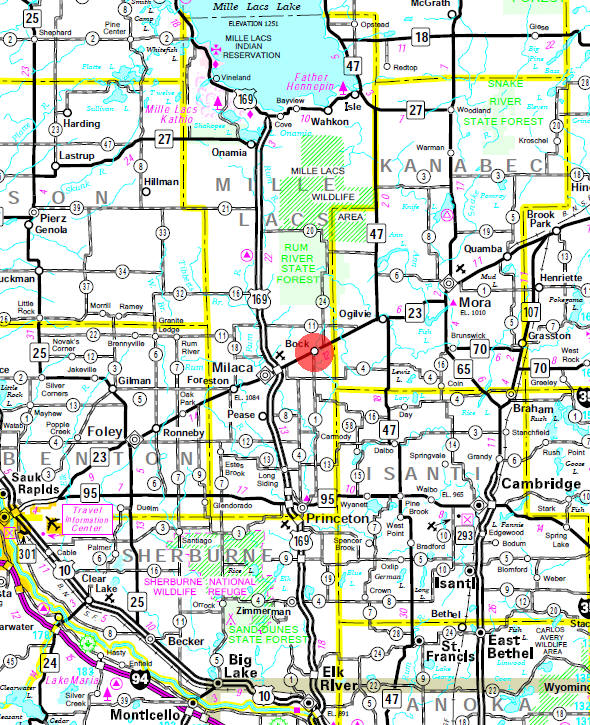
Minnesota State
Highway Map of the Bock Minnesota area
Events:
Attractions:
Recreation:
Lakes:
|
Lake Name |
Size
(acres) |
Location |
Lake info |
Lake Map |
Rec Map |
Topo Map |
|
none in the immediate area |
Health
Care:
|
none locally, hospitals and
clinics in Milaca and Mora |
Schools:
Churches:
Emmanuel Lutheran
Church
1632 Church Avenue
Bock, MN 56313
Phone: (320) 556-3303 |
|
Media:
|
Served by Milaca and Mora media |
Motels:
Resorts:
Campgrounds:
|
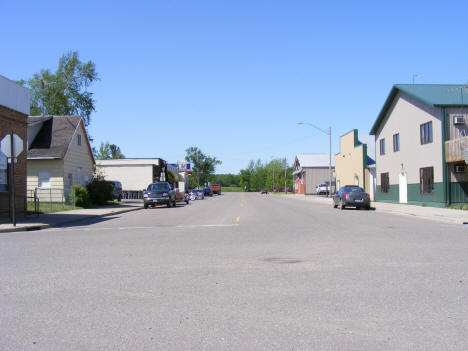
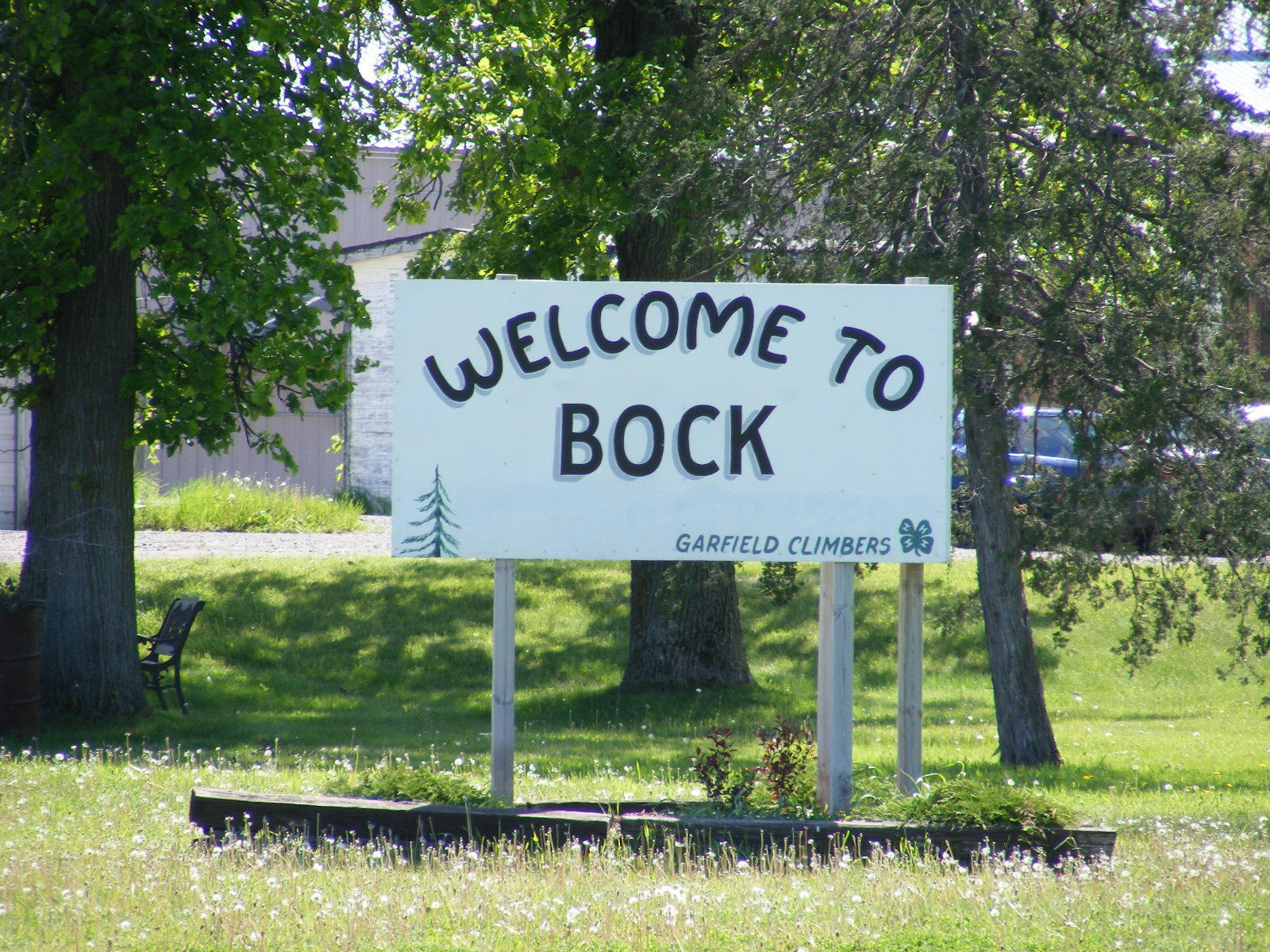
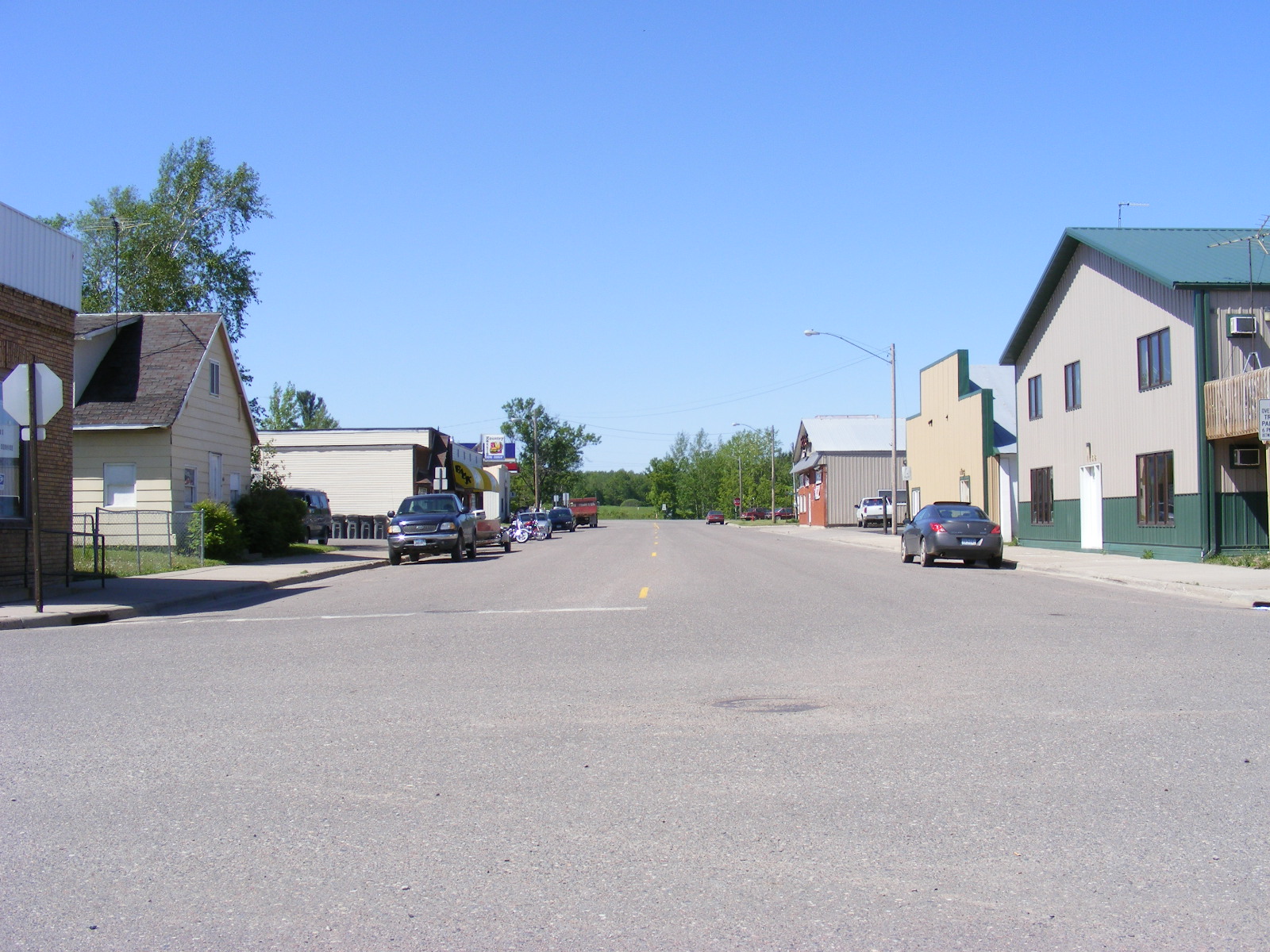
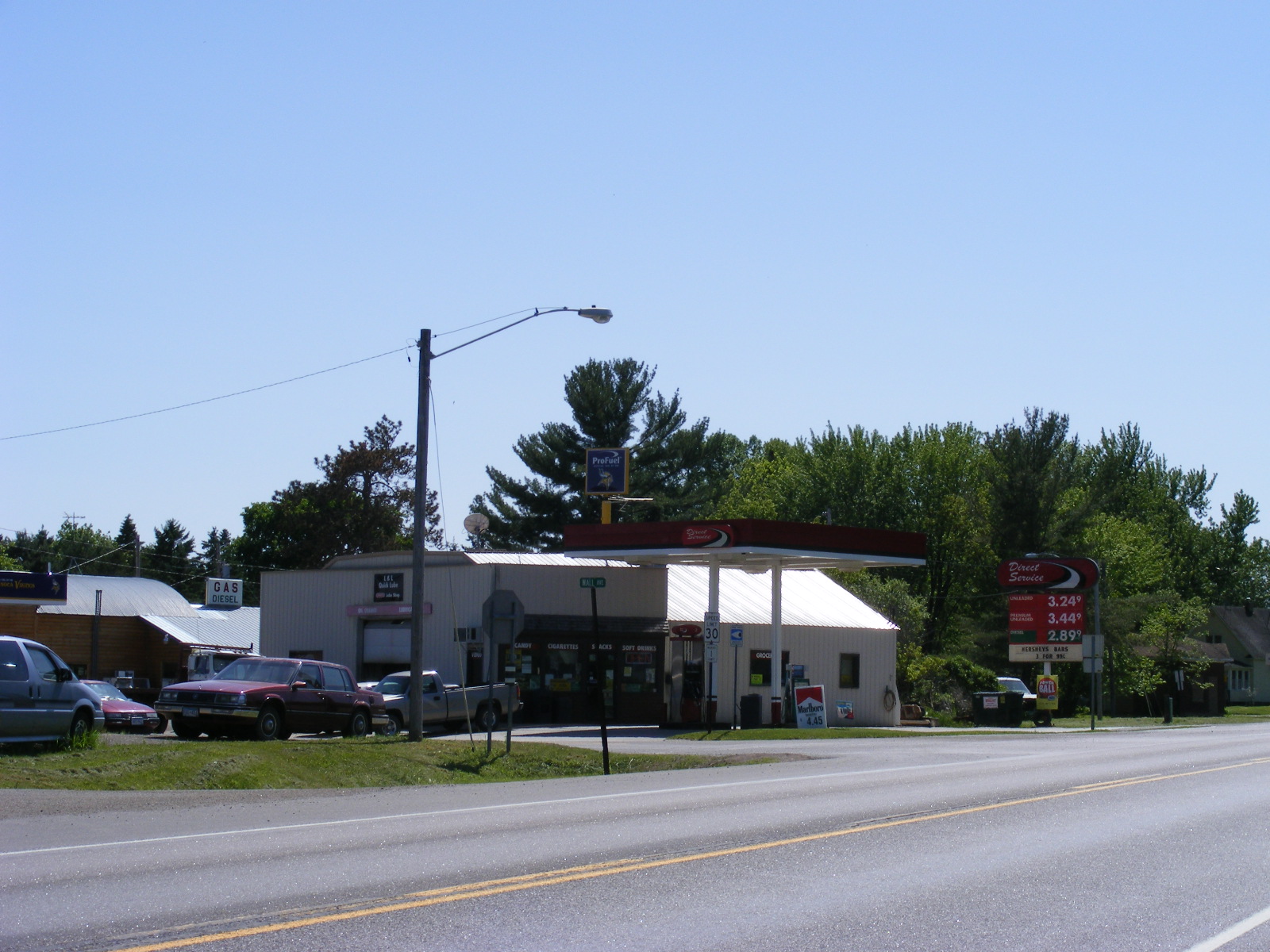
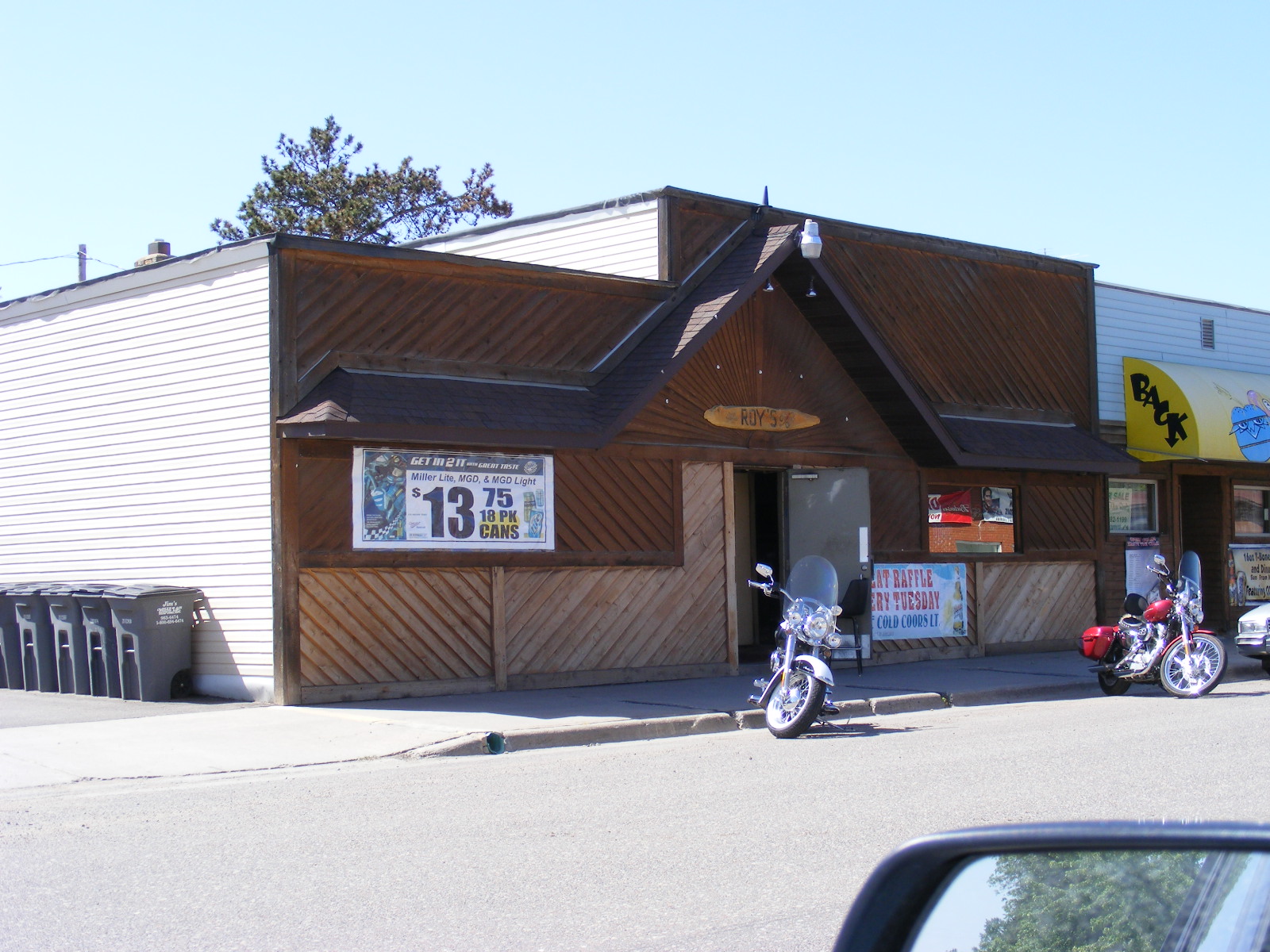
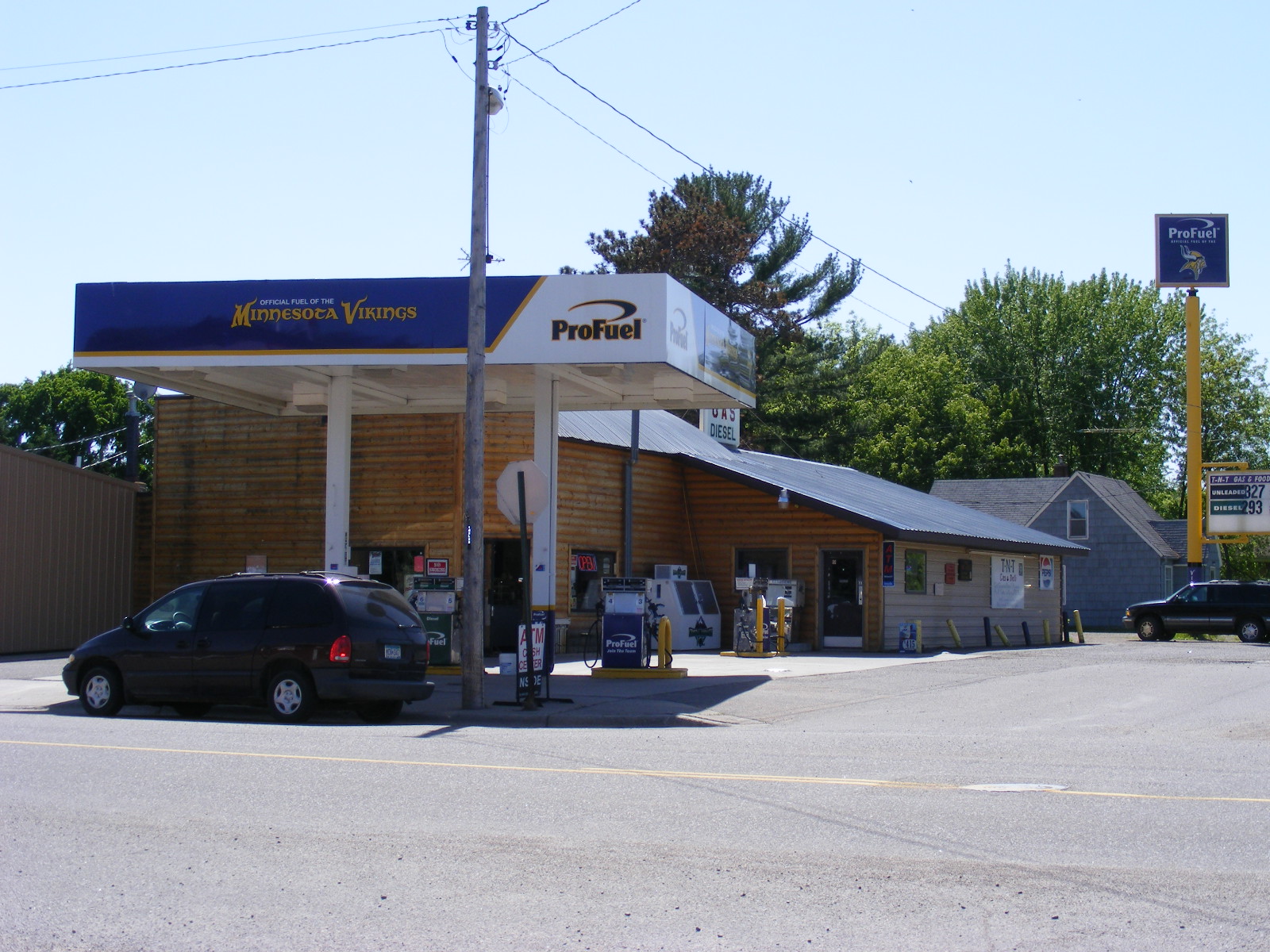
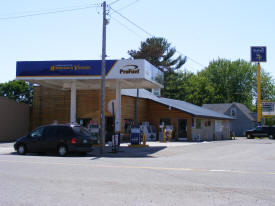
Downtown Bock Minnesota, 2007
LakesnWoods.com Photo |
Businesses:
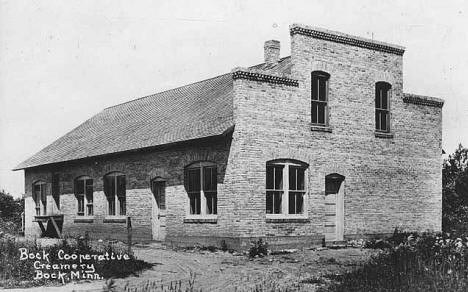
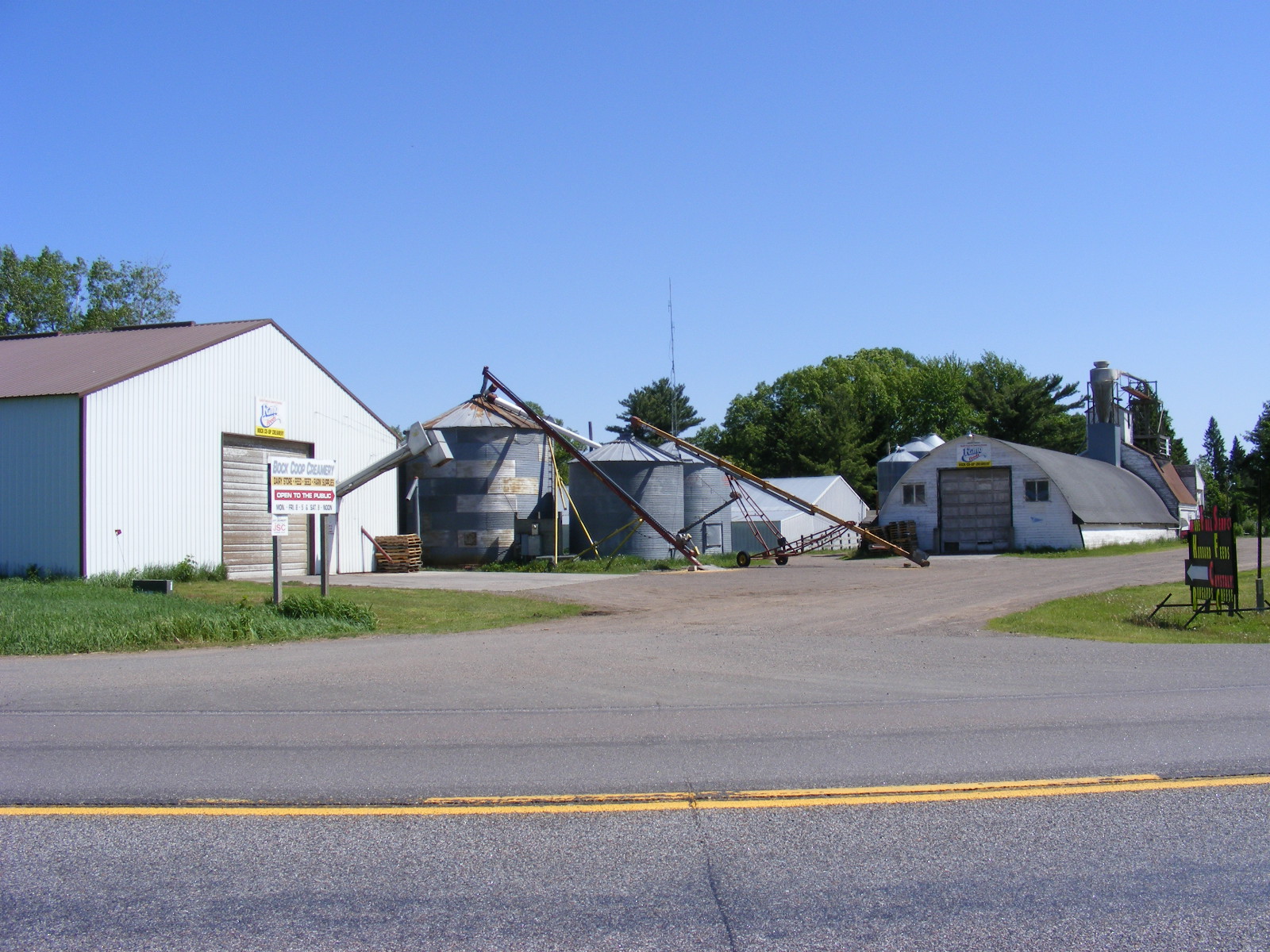
Bock Co-Op
Creamery
6714 Benson Street
Bock, MN 56313
Phone: (320) 556-3453 |
 |
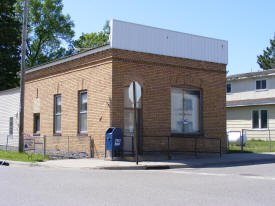
Bock Post Office
1661 Wall Avenue
Bock, MN 56313
Phone: (320) 556-3412 |
 |
Certified Septic
Systems
1648 Wall Avenue
Bock, MN 56313
Phone: (320) 556-5000 |
|
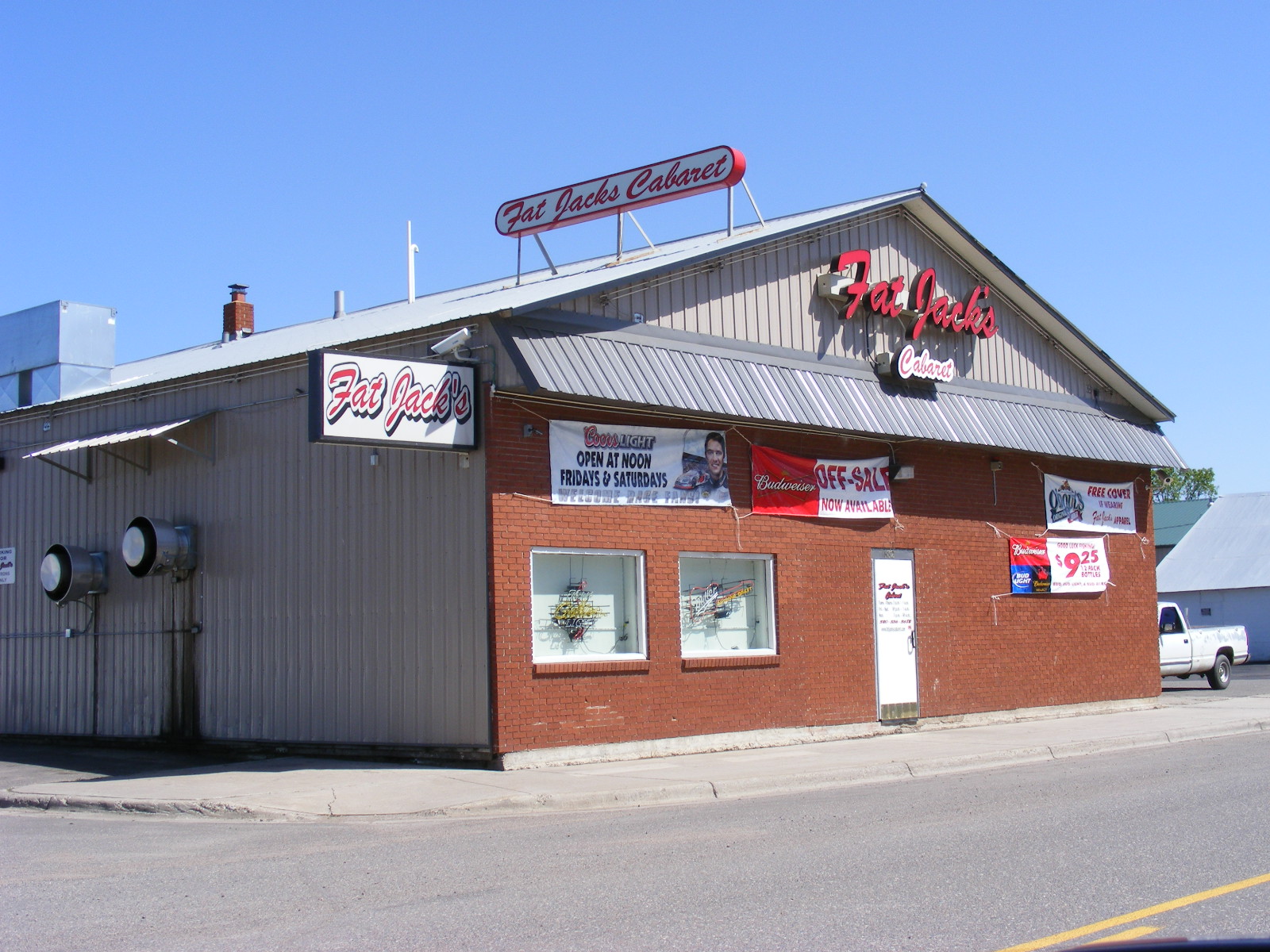
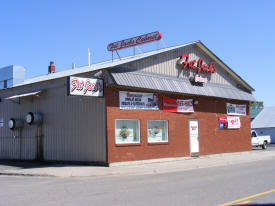
Fat Jack's
Cabaret
1682 Wall Avenue
Bock, MN 56313
Phone: (320) 556-3682
Web: www.fatjacks.biz |
 |
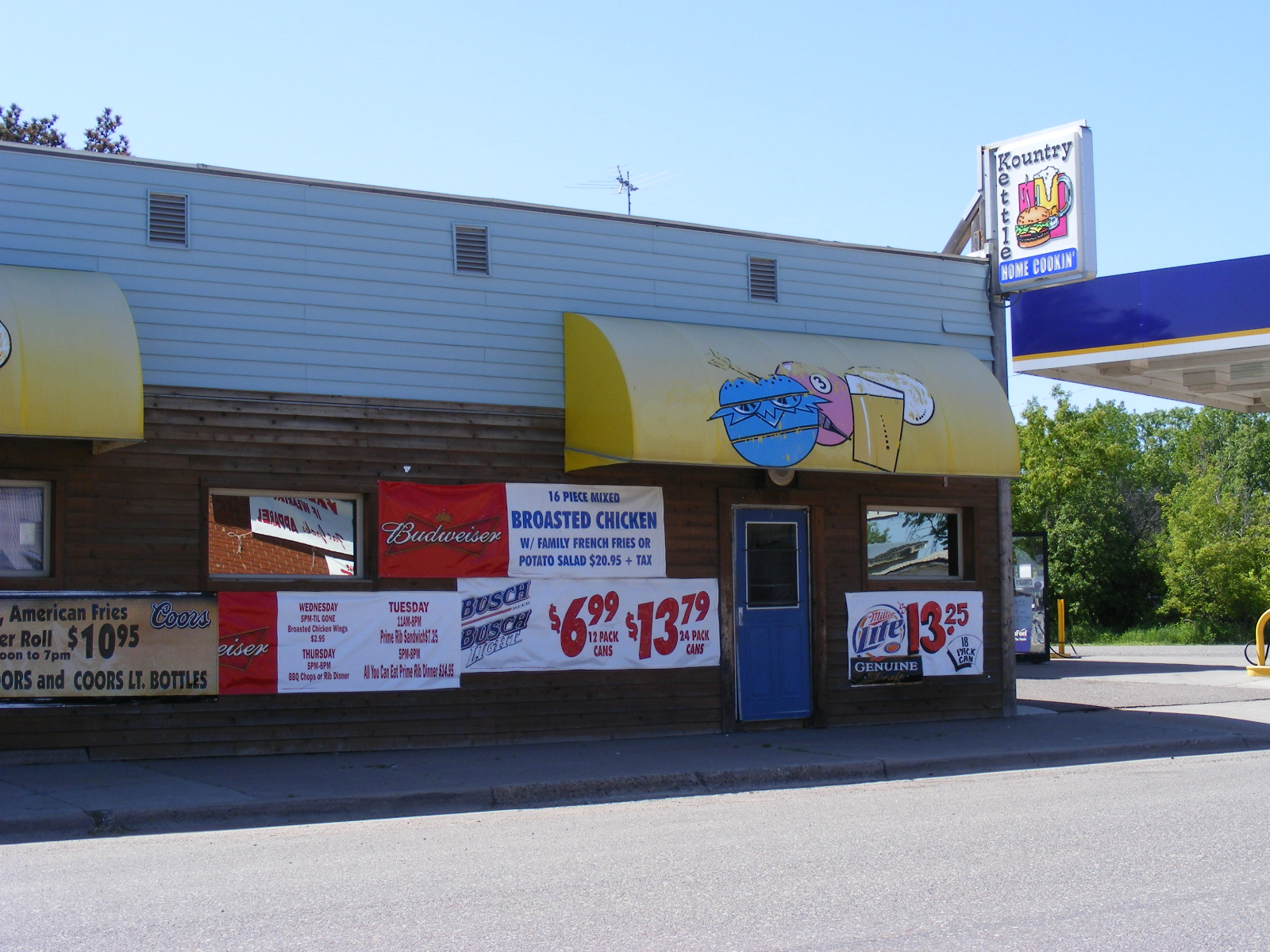
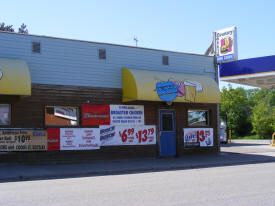
Kountry Kettle
1683 Wall Avenue
Bock, MN 56313
Phone: (320) 556-3531 |
 |
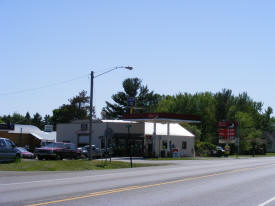
Newgard's Bock
Garage
6717 Highway 23
Bock, MN 56313
Phone: (320) 556-3315 |
 |
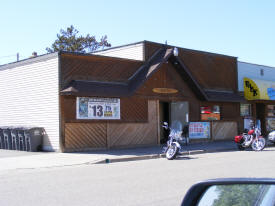
Roy's Place
1681 Wall Avenue
Bock, MN 56313
Phone: (320) 556-3311 |
 |
Sue's Bus Service
PO Box 75
Bock, MN 56313
Phone: (320) 556-3482 |
|
TNT Gas and Deli
Bock, MN 56313
Phone: n/a |
 |
Aerial Photo:
Topographic Map:
[click map to enlarge, zoom in or zoom out]
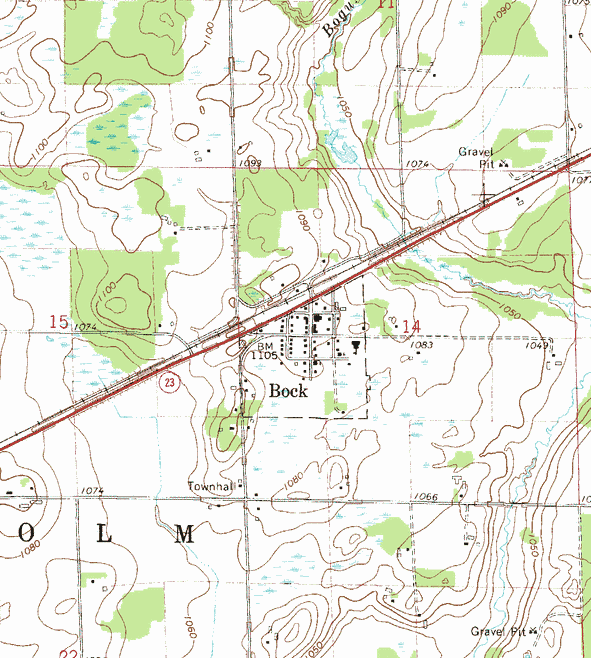
Topographic map is courtesy of the Minnesota DNR
- click map to zoom or enlarge
|
|