|
Navigation LakesnWoods.com
Home
Page
Contact Us
Privacy
Minnesota History Shop
Visit The Minnesota History Shop
www.minnesotahistoryshop.com
Historic maps
Historic books
Historic framed art
Historic
postcards
Clothing with historic
images
And much more!!! |
Big Falls Guide:
Photo Gallery
Location
Geography
Demographics
History
Government
Post Office
News
Street Map
Events
Attractions
Recreation
Lakes
Health Care
Schools
Churches
Media
Motels
Resorts
Campgrounds
Businesses
Aerial Photo
Topographic Map © 2004-2024
LakesnWoods LLC
All Rights Reserved
DCMA, Defamation, Copyright and Trademark Infingement Policy
|
WANTED! Do you have photos, historical accounts or
other items pertaining to the Big Falls area? Would you like to
share this historical information with the world? LakesnWoods.com would like to publish your
Big Falls photos
(current or historical) or historical accounts on this website.
Original materials can be returned and your privacy will be
respected.
Contact us |


|
Big Falls
Minnesota Community Guide
Location:
Population:
| Big Falls (city) |
1970 |
1980 |
1990 |
2000 |
2010 |
2000-2010
Change |
| Actual |
Percent |
| Population |
534 |
490 |
341 |
264 |
236 |
-28 |
-10.61 |
| Land Area (sq. mile) |
24.40 |
5.98 |
6.04 |
6.04 |
6.04 |
0 |
0.00 |
| Density (persons per sq. mile) |
21.89 |
81.94 |
56.46 |
43.73 |
39.07 |
-4.66 |
-10.66 |
| Housing Units |
201 |
201 |
184 |
191 |
181 |
-10 |
-5.24 |
| Households |
-- |
171 |
156 |
134 |
130 |
-4 |
-2.99 |
| Persons Per Household |
-- |
2.87 |
2.19 |
1.97 |
1.82 |
-0.15 |
-7.61 |
Geography:
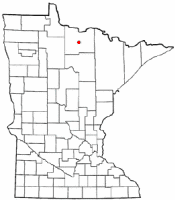
Big Falls is a city in Koochiching County, Minnesota.
U.S. Route 71 and Minnesota State Highway 6 are two of the main
routes in the community. According to the United States Census
Bureau, the city has a total area of 6.06 square miles (15.70 km²),
all of it land. The elevation is 1,217 ft (371 m).
From
Wikipedia, the free
encyclopedia.
Demographics:
As of the census of 2010,
there were 236 people, 130 households, and 63 families
residing in the city. The population density was 38.9
inhabitants per square mile (15.0 /km2). There were
181 housing units at an average density of 29.9 per
square mile (11.5 /km2). The racial makeup of the city
was 97.0% White, 1.7% Native American, and 1.3% from
two or more races. Hispanic or Latino of any race were
1.7% of the population. There were 130 households
of which 13.8% had children under the age of 18 living
with them, 42.3% were married couples living together,
3.8% had a female householder with no husband present,
2.3% had a male householder with no wife present, and
51.5% were non-families. 42.3% of all households were
made up of individuals and 16.1% had someone living
alone who was 65 years of age or older. The average
household size was 1.82 and the average family size
was 2.43. The median age in the city
was 53.8 years. 11.4% of residents were under the age
of 18; 2.7% were between the ages of 18 and 24; 18.2%
were from 25 to 44; 44% were from 45 to 64; and 23.7%
were 65 years of age or older. The gender makeup of
the city was 53.0% male and 47.0% female.
From
Wikipedia, the free
encyclopedia.
History:
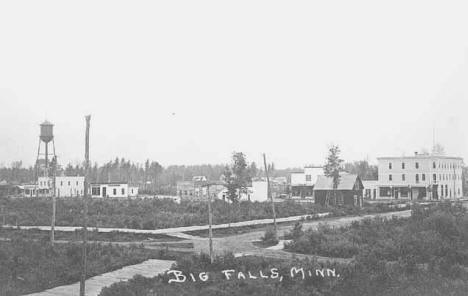
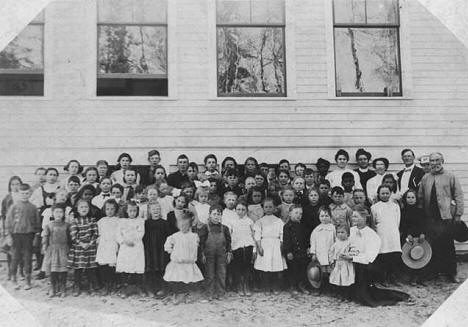
WHERE AXES STILL RESOUND Big Falls (1,240 alt., 509 pop.), in the fertile
valley and on the falls of the Big Fork River (see Littlefork), is
the center of an agricultural area; though its main industry is
lumbering.
Although Indians did not live in the immediate area, they paddled
through it over the Sturgeon and Big Fork rivers to Rainy Lake and
Lake of the Woods. Fur traders probably followed this route and,
from evidence found, may have built a post for the Hudson's Bay
Company on the Sturgeon River, a short distance from the site of Big
Falls. At the turn of the century came lumbermen, attracted by pine
forests and available water power. A railroad, the Big Fork and
Northern, was built from Northome to Big Falls and, in 1905, was
leased to the Minnesota and International, the Brainerd to
International Falls branch of the Northern Pacific, by which it is
still controlled.
Farming developed as the land was cleared. The deep, black, sandy
loam is adapted especially to clover, potatoes, and small grains.
Blueberries are an important summer crop. Good highways leading in
all directions make markets easily accessible. Although farming is
becoming more and more important, lumbering still leads. Quantities
of pulpwood, cedar ties and poles are shipped each year, and many
men are given employment in the logging camps in winter. A hydroelectric power plant, owned locally by the
Croswell Power and Light Company, has been built south of the falls
of the Big Fork River, one-fourth of a mile from town. Also along the Big Fork River is a forestry
station and a fire tower, which with several office buildings and
living quarters comprise the unit. It operates in conjunction with
CCC Camp 4701, one mile east, and Center Camp in the Pine Island
Forest, 25 miles west. In 1939, US Highway 71 received black-top
treatment from Big Falls to the Canadian border, and the work is
being continued south to Big Falls. The Byman Museum in Big Falls, with its Indian
relics, arrowheads, pictures, oddities, and other interesting
features, is open to the public. East of town and on the Big Fork River is the
Mission Covenant Church District Bible Camp, which is open for ten
days each summer and offers vacation possibilities for rest,
devotion, and instruction. Game is plentiful and duck hunting is especially
popular. There is good fishing in the three near-by streams: the
Sturgeon, Big Fork, and Little Fork. This is a potential tourist
center, for it is close to wilderness and lake regions, and there
are numerous tourist parks and campgrounds. From the WPA Guide to the Minnesota
Arrowhead Company
©1941 by the Minnesota Arrowhead Association
Government:
Post Office:
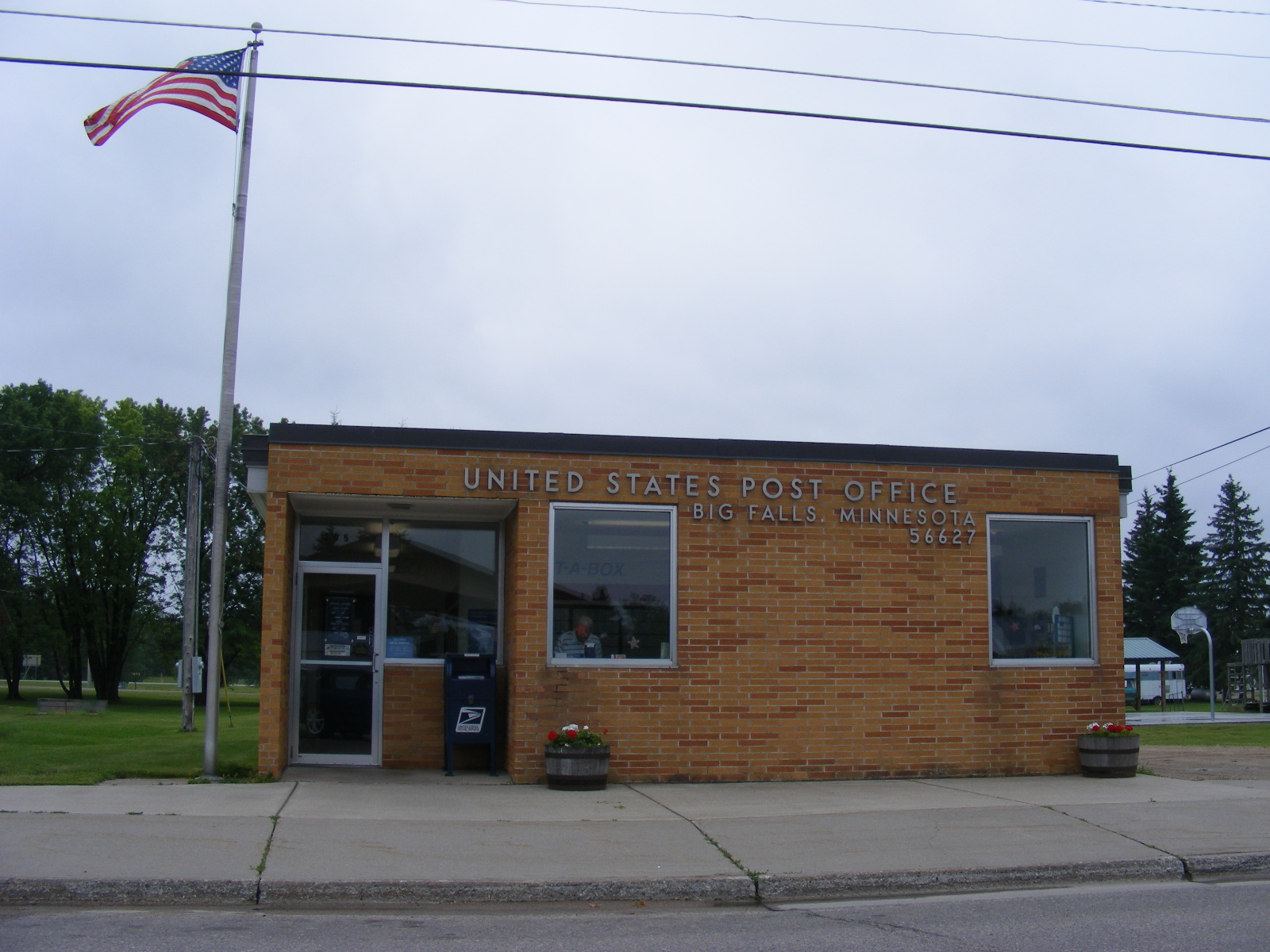
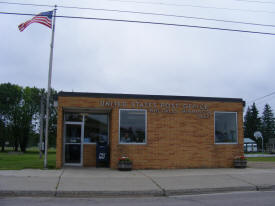
US Post Office
305 2nd Street NW
Big Falls, MN 56627-9725
Phone:
(218) 276-2301
Toll Free: (800) ASK-USPS
Regular Business Hours:
Week Days 9:00 am - 12:00 pm
1:00pm - 4:00 pm
Saturday
9:00 am - 10:00 am
 
|
 |
Utilities:
Major
Employers:
News:
Weather:
Map:
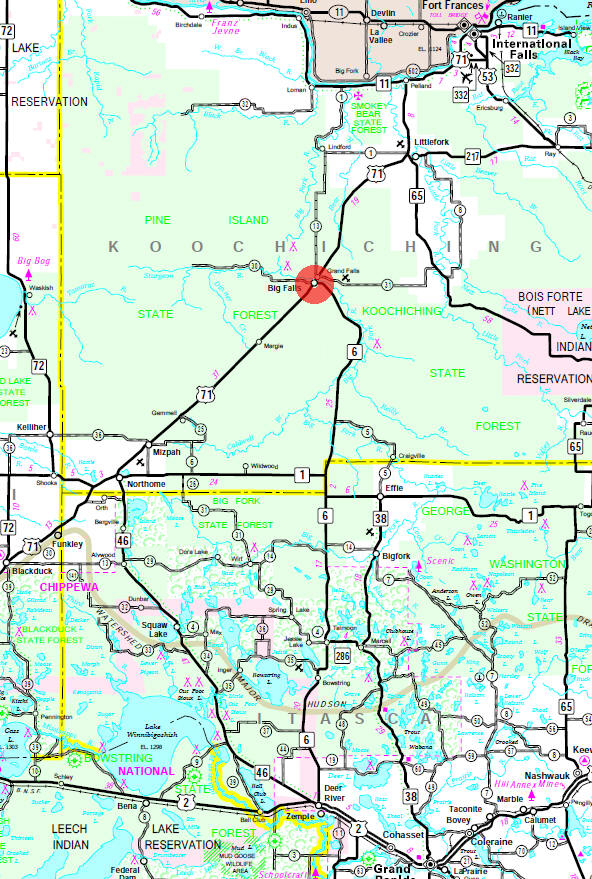
Minnesota State
Highway Map of the Big Falls Minnesota area
Events:
Attractions:
| Uncle Dan Campbell Statue
Have your picture taken next the wood carved statue of Uncle Dan
Campbell. Who is Uncle Dan Campbell, you ask? We don't know, but he
sure has a great statue! Please write us if you know a little about
Uncle Dan. |
 |
Recreation:
| Blue
Ox ATV Trail |
|
|
The Blue Ox ATV Trail runs through Big Falls,
with an access at our municipal campground. Courteous riders are
always welcome here! |
|
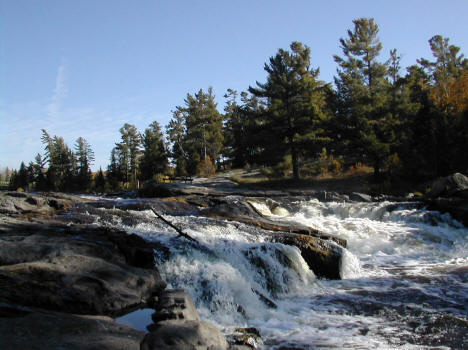
Falls on the Bigfork River in Big Falls Minnesota
Courtesy of the City of Big Falls |
Lakes:
|
Lake Name |
Size
(acres) |
Location |
Lake info |
Lake Map |
Rec Map |
Topo Map |
| none in
the immediate area |
Health Care:
Scenic Rivers Health
Services
410 2nd Street NW
Big Falls, MN 56627
Phone: (218) 276-2403
Web:
www.bigforkvalley.orgScenic Rivers Health Services
primary care clinic in Big Falls welcomes family, friends, neighbors
and visitors. The clinic is open Monday and Thursday afternoons from
1 - 5 p.m. Drs. Korstad, Rounds, Scrivner and Cabot drive from the
clinic in Bigfork to provide care. A Sliding Fee Scale discount
program is available for qualified persons and families. |
|
Schools:
Independent School District
362
700 Main Street
Littlefork, MN 56653
Phone: (218) 278-6614
Fax: (218) 278-6615
Web: www.isd362.k12.mn.us |
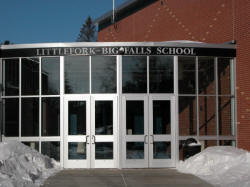 |
| The Littlefork-Big
Falls School District is located in north-central Minnesota, just 10
miles from the Canadian-U.S. border. Encompassing nearly 900 square
miles, the district serves an estimated 350 students in grades K-12.
An active preschool program adds nearly 60 students and serves youth
ages 3-5.
In the fall of 1997 the district moved into a new K-12 facility
in Littlefork. This $10,000,000 facility houses some of the best
technology you will find in a public school. Because the school is centrally located in the city of Littlefork,
it is easily accessible for the whole community. The city provides
the community with many features, including a Medical Center, an
active Chamber of Commerce, several downtown stores, two banks, and
two city parks. |
Churches:
Evangelical Covenant Church
502 1st Street
Big Falls, MN 56627
Phone: (218) 278-6216Pastor:
Tom Winkelman
Sunday Worship: 9:00 am |
|
River of God Church
301 Highway 71
Big Falls, MN 56627
Phone: (218) 276-2599Pastor: n/a
Sunday Worship: 10:30 am |
|
Media:
|
Ripple Newsletter
312 2nd Street NW
Big Falls, MN 56627
Phone: (218) 276-2481 Big Falls
area newsletter that is printed monthly and distrubuted locally with
nationwide subscriptions. Please call for subscription and ad rates. |
|
Motels:
Big Falls Motel
311 Highway 71 N
Big Falls, MN 56627
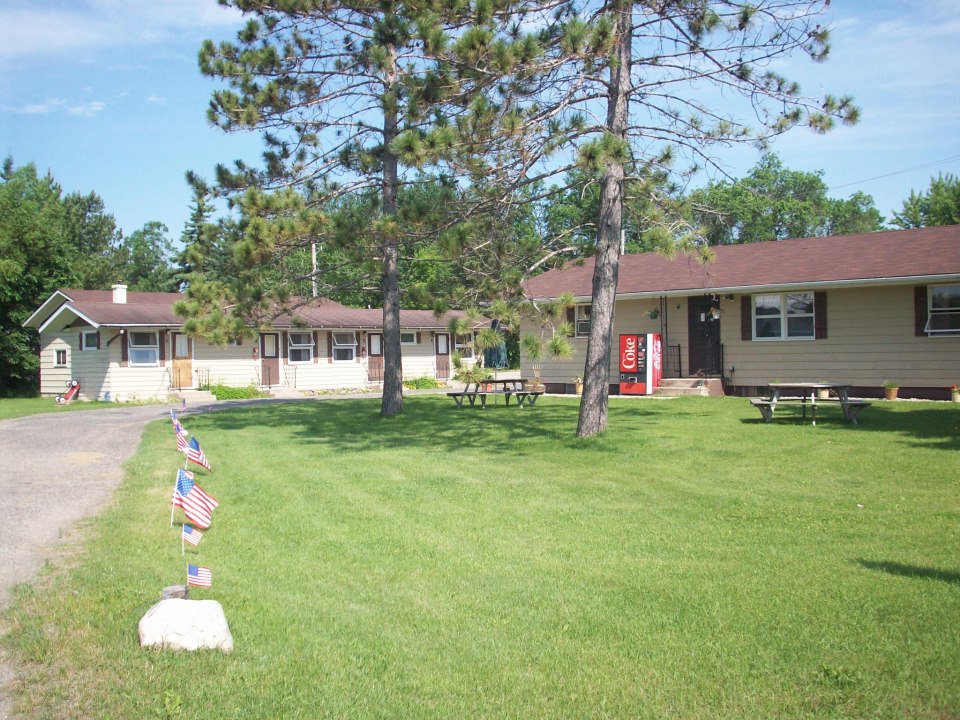
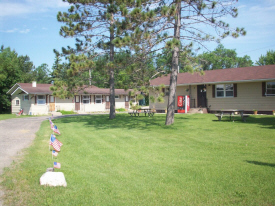
Phone: (218) 276-2316Come and enjoy the home
town hospitality at Becki's Inn, Big Falls. * 2 Double rooms that
sleep 4 people each * 2 Rooms that sleep 2 people * 2 single rooms
Price breaks are offered on large parties and longer stays of three
nights and more. |
 |
Bed & Breakfasts:
Red Rooster Bed and Breakfast
6881 County Road 31
Big Falls, MN 56627
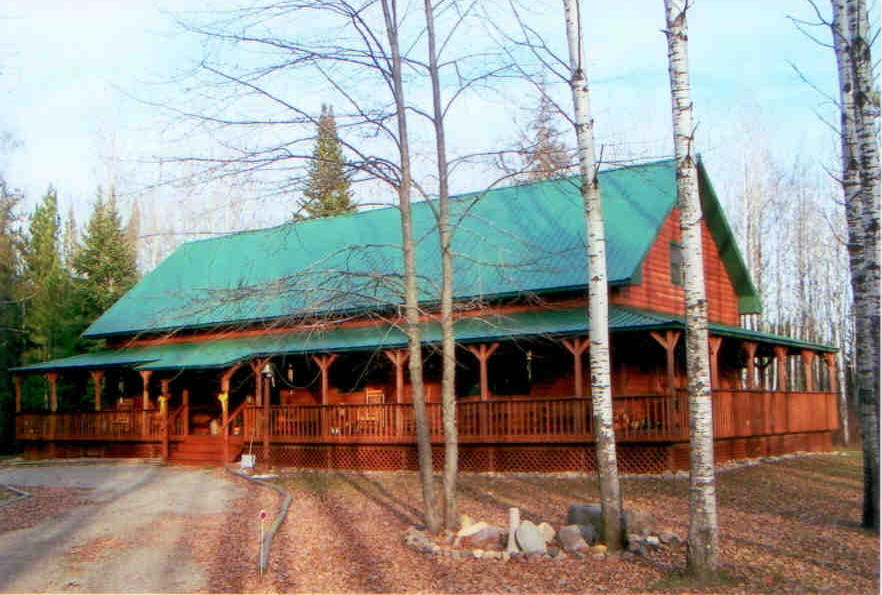
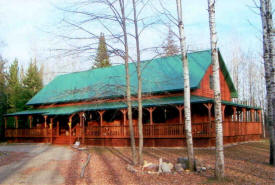
Phone: (218) 276-2488The Red
Rooster B & B is a log style home in a beautiful wilderness
setting. It is located 5 miles from Big Falls on Hwy 31 East, in
the community of Treatville. Offers a family style environment.
There are two guest rooms. One with a Western theme and a queen
bed. One with an Americana theme and a double bed. Full breakfast
is served family style. Open year round. |
 |
Resorts:
Campgrounds:
Big Falls City Campground
123 Whispering Pines Drive
PO Box 196
Big Falls, MN 56627
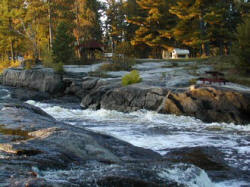
Phone: (218) 276-2282Our City Campground offers complete camping and
picnicking
facilities. It is nestled between the whispering pines and the
rushing Bigfork River rapids. There are full electric and water
hookups for RVs, as well as tent sites available. Clean indoor
bathroom and shower facilities on site. |
 |
Businesses:
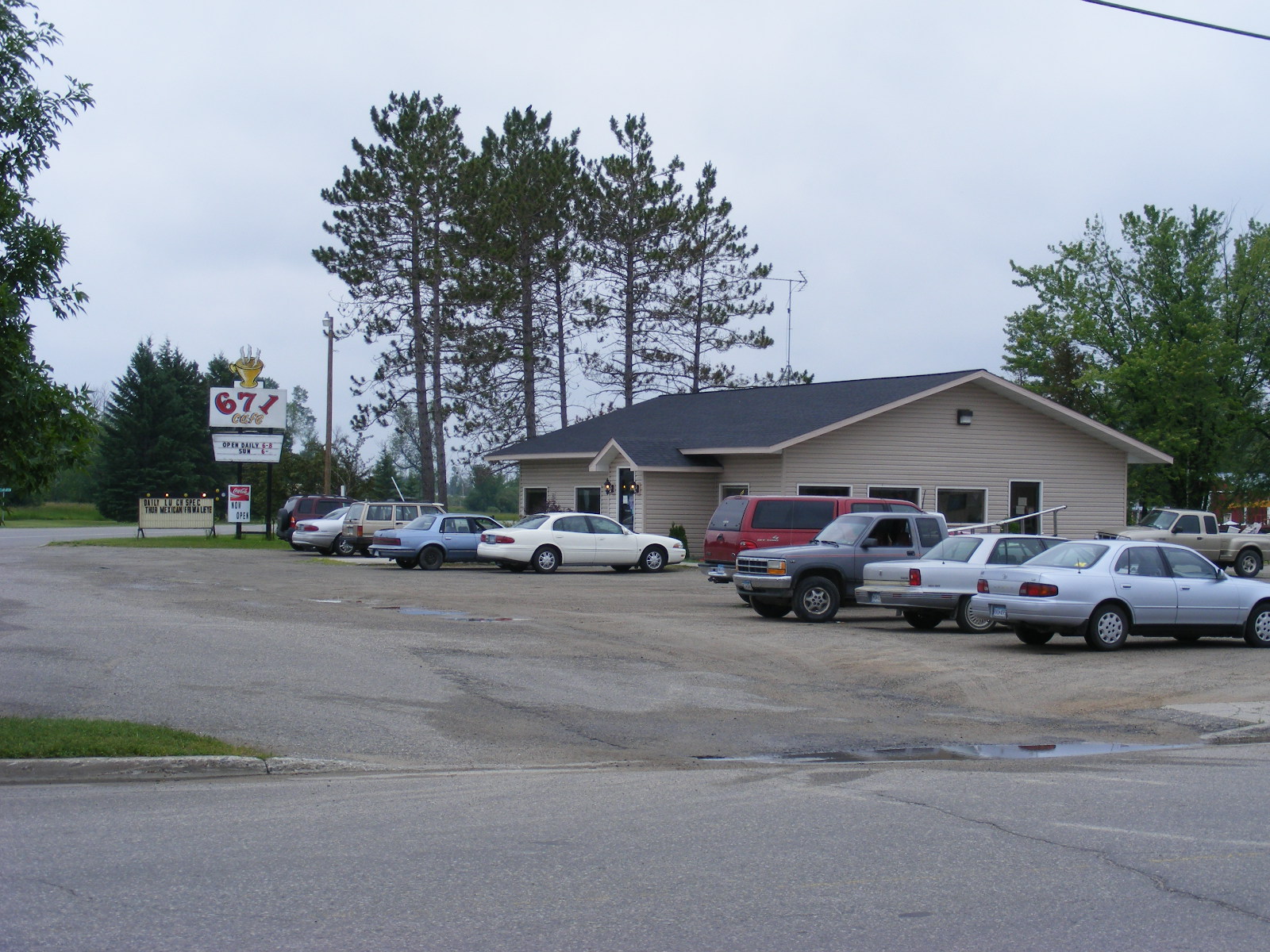
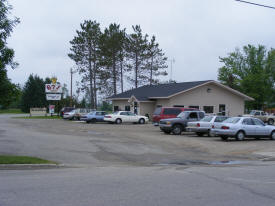
671 Cafe
Highway 71 N
Big Falls, MN 56627
Phone: (218) 276-0011Now reopened under new
management. Serving breakfast, lunch and dinner. Open 6 a.m. to
8 p.m. Monday thru Sunday. |
 |
American
Recycling and Salvage
303 Popple Avenue S
Big Falls, MN 56627
Phone: (218) 276-2515
Offering metal recycling - with
roll-off dumpsters that can be delivered to your site, or
materials can be brought directly to us |
|
Big Falls
Apartments
510 2nd Street NW
Big Falls, MN 56627
Phone: (218) 751-4265
Low income government subsidized housing. Rent
is based on just 30% of your monthly adjusted gross income. |
|
Big Falls Motel
311 Highway 71 N
Big Falls, MN 56627
Phone: (218) 276-2025
Come and enjoy the home
town hospitality at Becki's Inn, Big Falls. * 2 Double rooms that
sleep 4 people each * 2 Rooms that sleep 2 people * 2 single rooms
Price breaks are offered on large parties and longer stays of three
nights and more. |
|
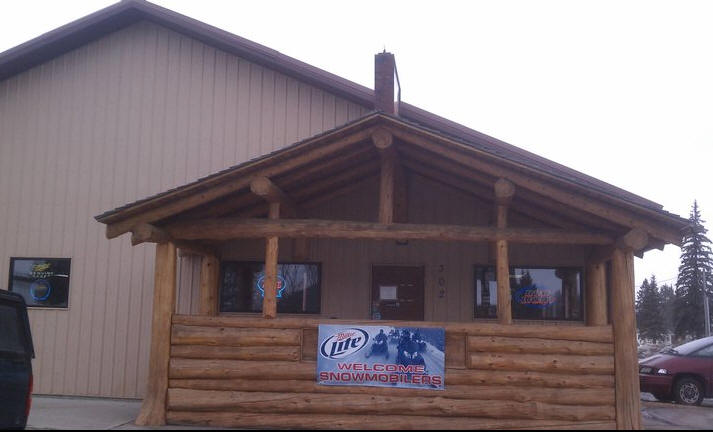
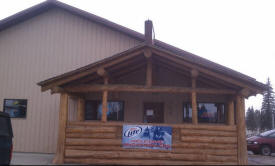
Big Falls Municipal Liquor
302 2nd Street NW
Big Falls, MN 56627
Phone: (218) 276-2451On and Off
Sale Municipal Liquor Store. Serving Pizza, Hot Sandwiches,
Appetizers and more! Offering pool tables, darts, large
screen TV and Nintendo Wii. |
 |
Ferguson Sealcoating
6838 County Road 31
Big Falls, MN 56627
Phone: (218) 276-2436 |
|
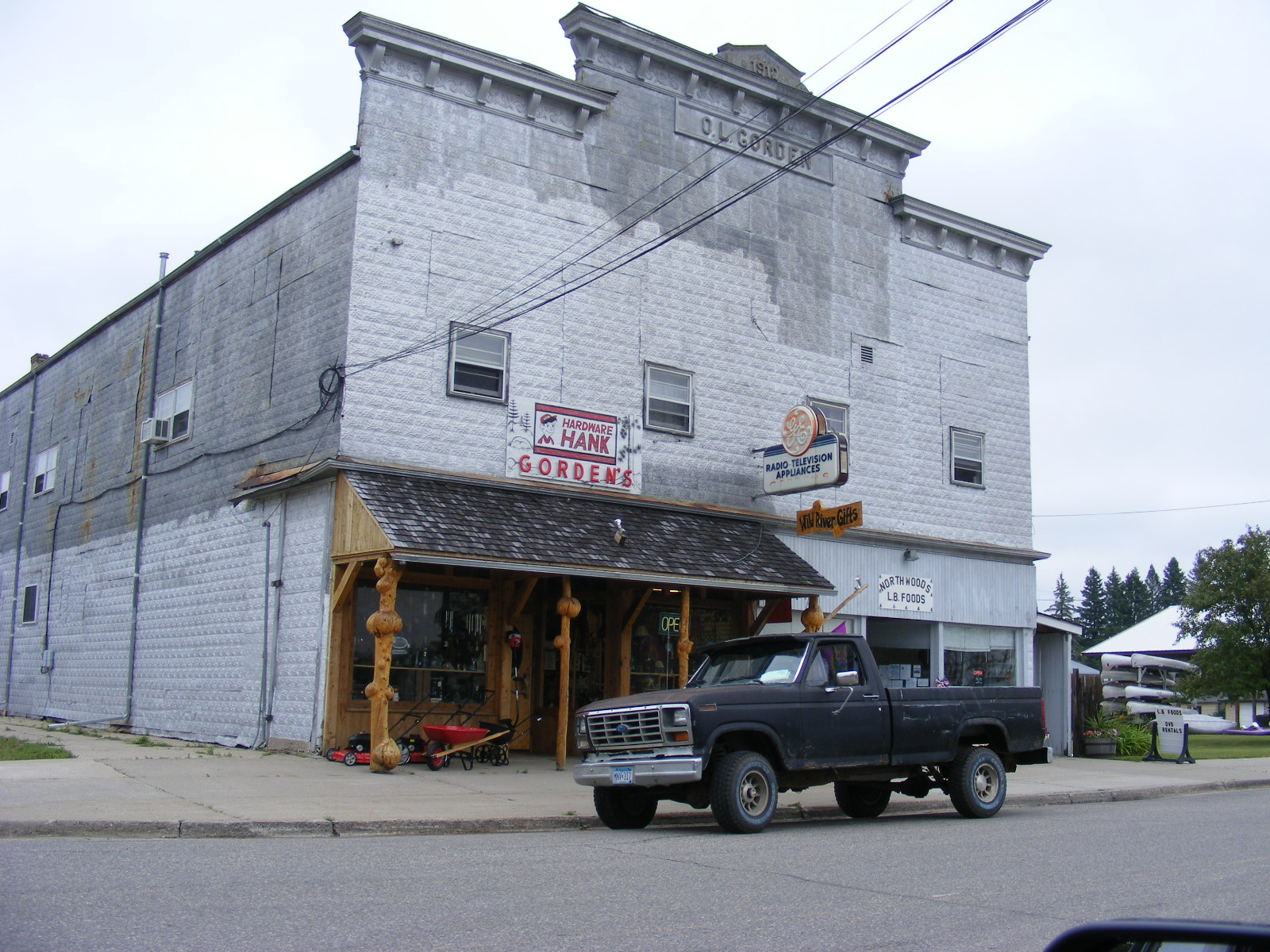
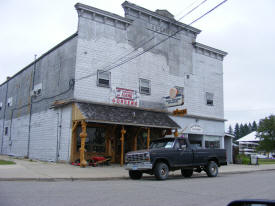
Gorden's Hardware Hank
312 2nd Street NW
Big Falls, MN 56627
Phone: (218) 276-2481
Toll Free: (877) 481-2569
Providing a full line of hardware,
general store items, and propane exchange and fill station. |
 |
Hair For You
Big Falls, MN 56627
Phone: (218) 276-2355 |
|
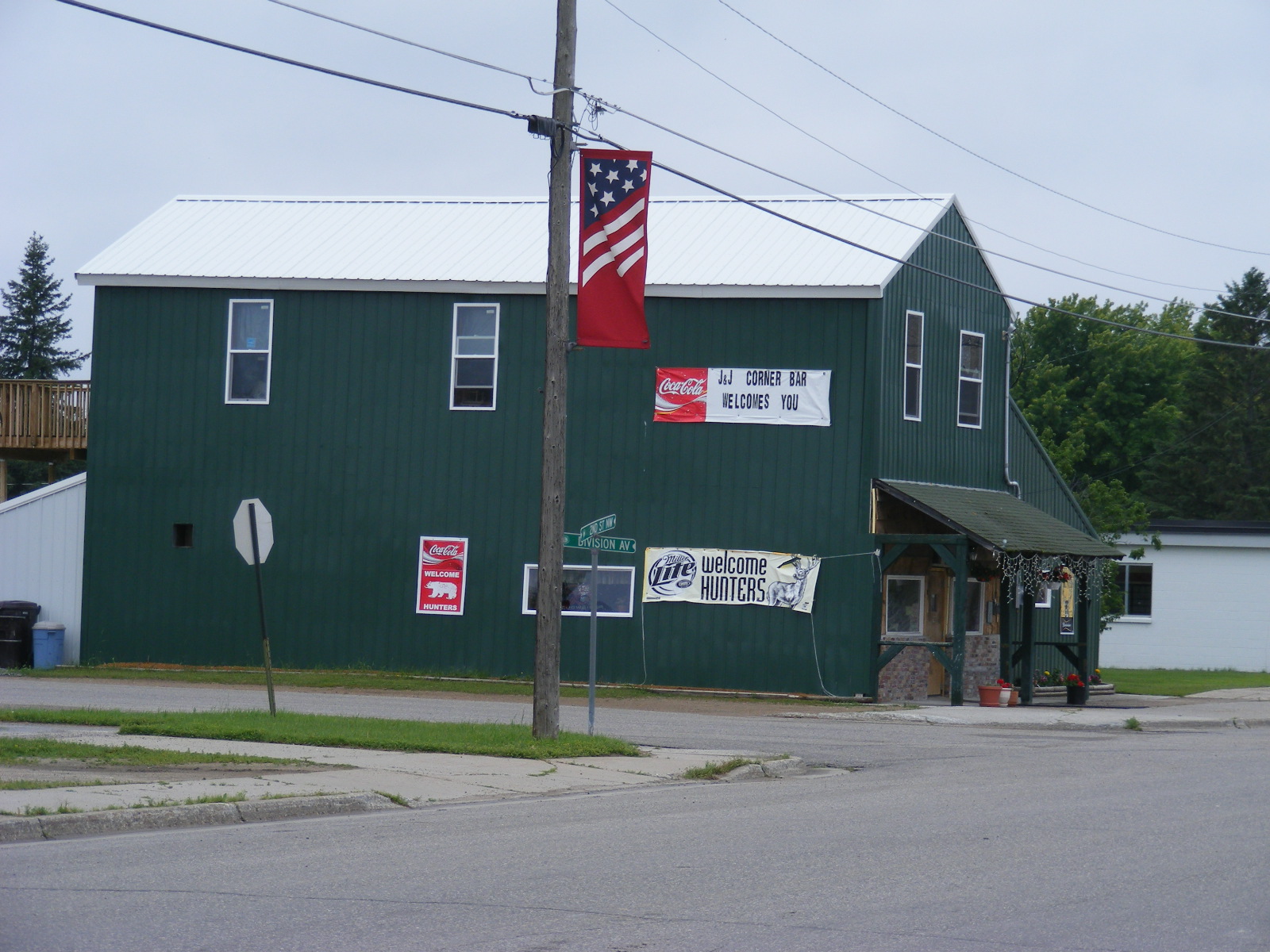
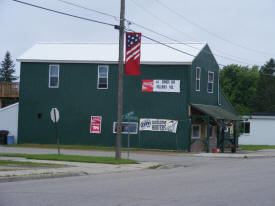
J & J Corner Bar
301 NW 2nd Street
Big Falls, MN 56627
Phone: (218) 276-2019 |
 |
Killmer Bros Inc
Big Falls, MN 56627
Phone: (218) 276-2233 |
|
Knaeble Timber
7542 County Road 31
Big Falls, MN 56627
Phone: (218) 276-2001 |
|
LB Foods
312 2nd Street NW
Big Falls, MN 56627
Phone: (218) 276-2462L.B. Foods
is a grocery store that offers fresh meat and produce. WIC and
Food Stamps are accepted. They also offer DVD rentals. |
|
Maggert Machine Inc
212 2nd Street NW
Big Falls, MN 56627
Phone: (218) 276-2331 |
|
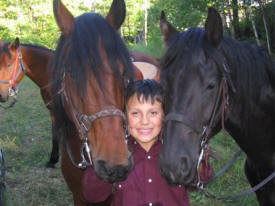
Pinewood Stables
6829 County Road 31
Big Falls, MN 56627
Phone: (218) 276-2340
Web:
www.pinewoodstablesusa.com
Year-round guided trail rides through north woods
trails near the Bigfork River. Carriage or sleigh rides, group
hay rides and parties. Lessons or horse training -
consultations, kids horse camps, cabin rental, camping and/or
horse lodging. Specialized wedding carriage service anywhere in
the 4 state area year round. Moriesian (Morgan-Friesian)
breeding and sales. |
 |
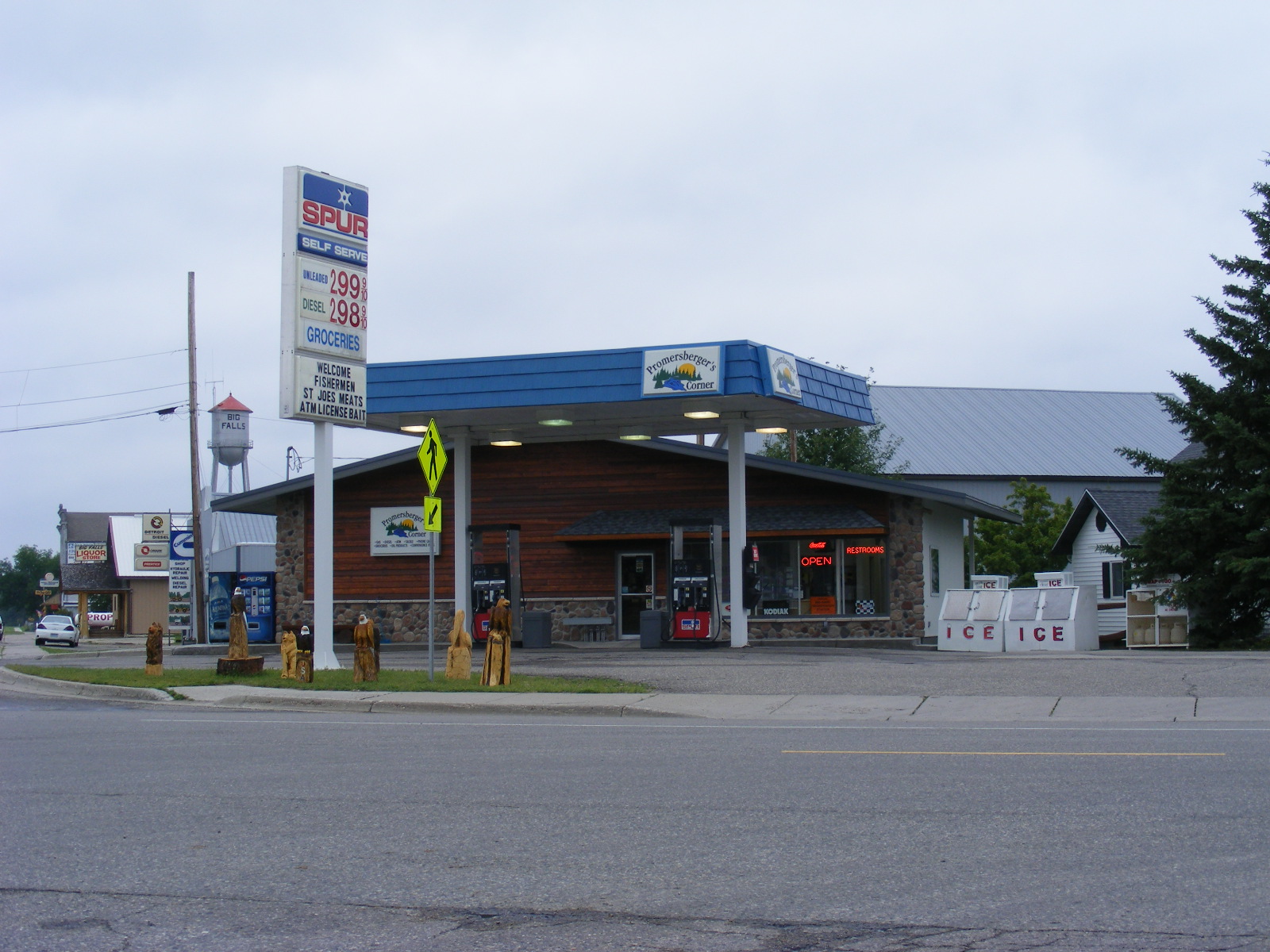
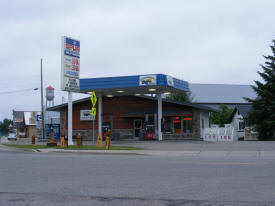
Promersberger's Corner
201 Highway 71 N
Big Falls, MN 56627
Phone: (218) 276-2311 |
 |
Red Rooster Bed and Breakfast
6881 County Road 31
Big Falls, MN 56627
Phone: (218) 276-2488 |
|
Ripple Newsletter
312 2nd Street NW
Big Falls, MN 56627
Phone: (218) 276-2481Big Falls area newsletter
that is printed monthly and distrubuted locally with nationwide
subscriptions. Please call for subscription and ad rates. |
|
Rivers North
Outfitters
312 2nd Street NW
Big Falls, MN 56627
Phone: (218) 276-2481
Toll Free: (877) 481-2569
Web:
www.riversnorthoutfittersmn.comProvides canoe and kayak
rentals with shuttling service, guide service and custom trip
planning on the Bigfork and Littlefork Rivers. Camping gear and
supplies are available as well as vacation lodging with daily
and weekly rates |
|
Scenic Rivers Health
Services
410 2nd Street NW
Big Falls, MN 56627
Phone: (218) 276-2403Scenic Rivers Health Services
primary care clinic in Big Falls welcomes family, friends,
neighbors and visitors. The clinic is open Monday and Thursday
afternoons from 1 - 5 p.m. Drs. Korstad, Rounds, Scrivner and
Cabot drive from the clinic in Bigfork to provide care. A
Sliding Fee Scale discount program is available for qualified
persons and families. |
|
Taylor Peter DDS
410 2nd Street NW
Big Falls, MN 56627
Phone: (218) 276-2400 |
|
Trustar Federal Credit Union
410 2nd Street NW
Big Falls, MN 56627
Phone: (218) 276-2700
Web:
www.trustarfcu.org
TruStar provides quality banking products and services,
including savings and checking accounts, money market accounts,
IRAs, share certificates, car and recreation loans, mortgages,
construction and land loans and on-line banking. |

|
US Post Office
305 2nd Street NW
Big Falls, MN 56627-9725
Phone:
(218) 276-2301
Toll Free: (800) ASK-USPS
Web: www.usps.com
|
|
Wild River Gifts
312 2nd Street NW
Big Falls, MN 56627
Phone: (218) 276-2481Northwoods
gift shop with souvenirs and local artwork. |
|
Aerial Photo:
Topographic Map: [click
map to enlarge, zoom in or zoom out]
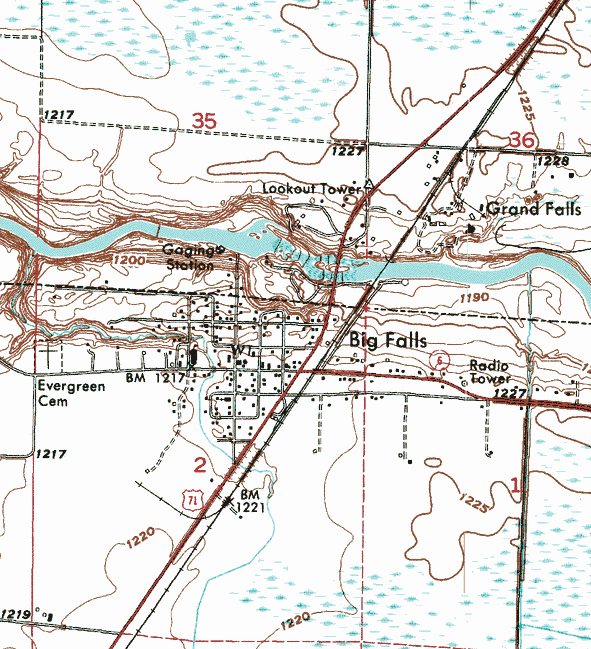
Topographic map is courtesy of
the Minnesota DNR - click map to zoom or enlarge
|
|